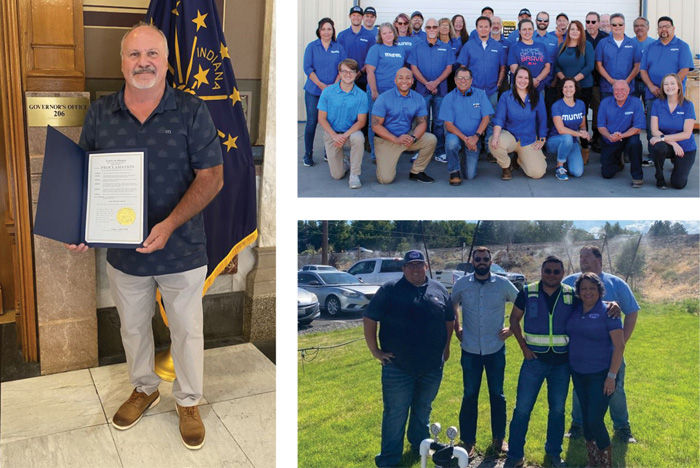
The Irrigation Association announced its 2026 award recipients, recognizing individuals and projects advancing irrigation technology, education and water efficiency.
As drought, shifting rainfall patterns and tightening water supplies reshape U.S. agricultural water use, researchers, growers and policymakers need current, region-specific information to guide long-term...
IA CEO Natasha Rankin marks Smart Irrigation Month by highlighting how precision irrigation and data-driven decisions are strengthening both productivity and stewardship.
IA's Andrew Morris outlines three advocacy priorities shaping irrigation's future: the 2026 Farm Bill, USMCA trade stability and a new NRCS technical-services partnership.
The "use it or lose it" water rights principle discourages conservation among Western farmers. Economist Renata Rimšaitė examines reform efforts and the trust barriers that...
As fertilizer prices swing unpredictably, Mazzei VP Jim Lauria argues irrigation systems must be evaluated not just on water uniformity, but on how evenly they...
Smart Irrigation Month returns this July with downloadable resources, Wear Blue Wednesday and a series of Q&As spotlighting industry leaders championing water efficiency.
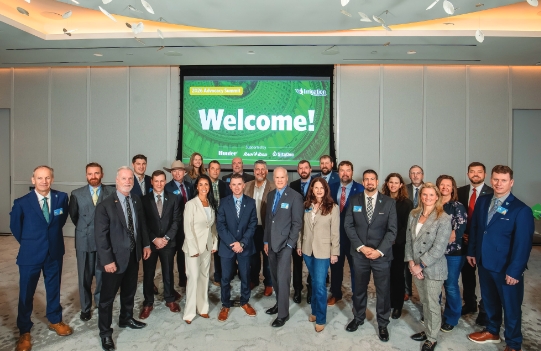
The 2026 IA Advocacy Summit brought irrigation leaders to Capitol Hill for 27 congressional meetings, a new NRCS partnership and advocacy on the 2026 Farm...
From California row crops to Washington orchards and Tennessee nurseries, smart irrigation automation is helping growers manage water more precisely while freeing up scarce labor...