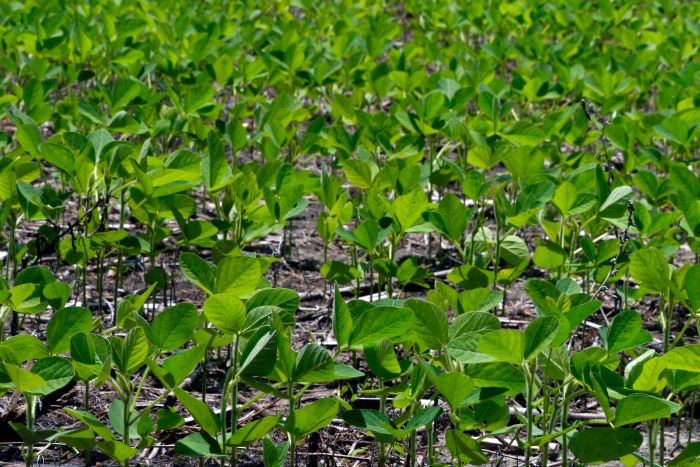
New research from the University of Maryland shows irrigation needs for soybean crops on the Eastern Shore will quadruple in the coming decades during the hottest summer months. Researchers found that total seasonal irrigation requirements are unlikely to increase dramatically, but water stress during July and August is likely to increase. As a result, they predict soybean crops will need three to four times more water than rainfall can provide.
The study attributes much of the increase to higher evaporation rates rather than declining rainfall. Sandy soils, shallow root systems and limited water-holding capacity already make Eastern Shore soybean fields vulnerable to drought stress during the growing season. Researchers project that the number of days crops do not receive adequate moisture from rainfall alone could increase by 10% to 20%.
Researchers recommend updating water-management strategies, expanding irrigation infrastructure to handle peak summer demand and scheduling irrigation based on daily evapotranspiration data.