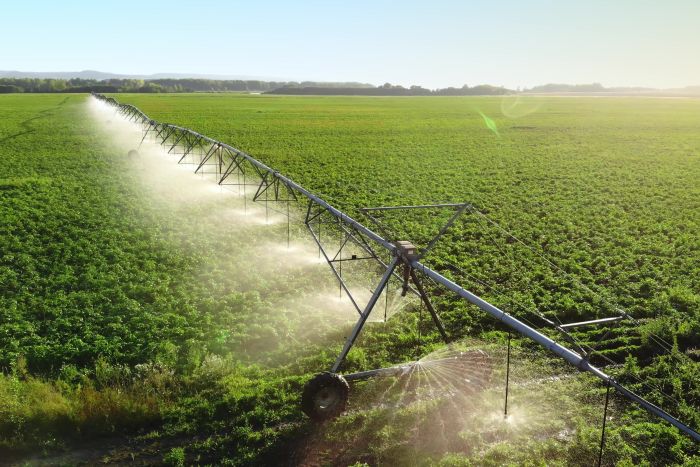
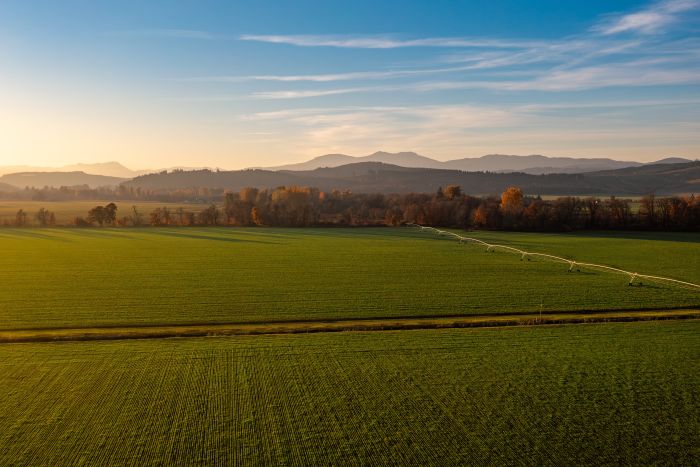
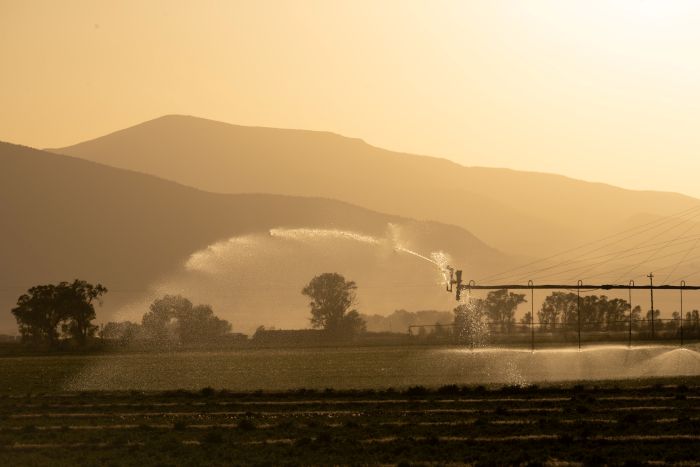
Center pivots are a critical piece of agricultural infrastructure for sustaining food production, but they are also vulnerable to extreme wind events, such as hurricanes. New research from the University of Nebraska-Lincoln’s Environmental Engineering Department found that shorter center pivot systems were more likely to survive high winds and experience less damage.
In August 2023, Hurricane Idalia struck Florida and damaged on-farm infrastructure, including center pivots and poultry houses. Using aerial photographs and county property appraiser databases, researchers evaluated structural damage and identified characteristics associated with greater storm vulnerability.
The findings may help agricultural irrigation professionals and producers assess storm risks and make more informed decisions when purchasing new equipment to protect essential farm operations from severe weather.