
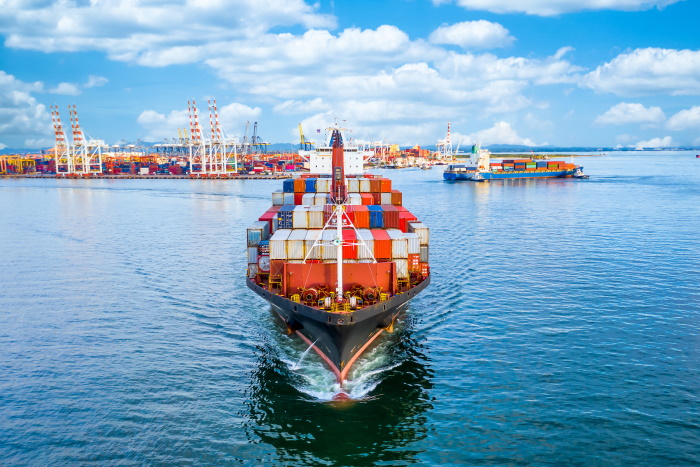
California farmers have no way to export their crops because of global supply chain issues leaving container ships lined up off the Southern California coast, according to an Associated Press article.
The backlog of ships entering U.S. waters means that fewer are able to head out to other ports across the ocean, narrowing options for farmers in that region in sending out their products.
“We’re at the mercy of foreign shipping companies,” says Roger Isom, president and CEO of the California Cotton Ginners and Growers Association and the Western Agricultural Processors Association. “We’re in a game, somebody changed the rules on us and we have no way to correct it.”
While California is one of the biggest suppliers of tree nuts, many are sold to other countries, totaling more than $8.1 billion in exports in 2019, according to the California Department of Food and Agriculture.
But last month, more than 80% of those scheduled shipments were canceled, says Isom. Processors have paid more to ship products elsewhere, sometimes by train or air.
One reason for the supply chain shortage is that the high demand for ocean carriers for other products encourages the ships to rush back to Asia after leaving Southern California, skipping the local Oakland port where most of the state’s tree nuts are shipped.
Last month, the Biden administration said the Los Angeles port would expand operations to 24 hours a day to help clear the backlog of ships. California Gov. Gavin Newsom has waived some state regulations to give companies the opportunities to pack more cargo on trucks.
Share on social media:
3030 Clarendon Blvd. | Suite 300 | Arlington, VA 22201
Tel: 703.536.7080 | Fax: 703.536.7019
HOME | ABOUT US | ADVERTISE | SUBSCRIBE | CONTACT | PRIVACY POLICY | IA ANTITRUST STATEMENT