
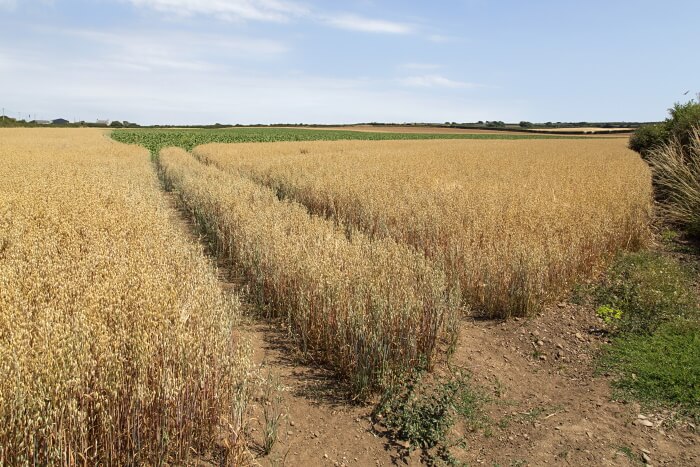
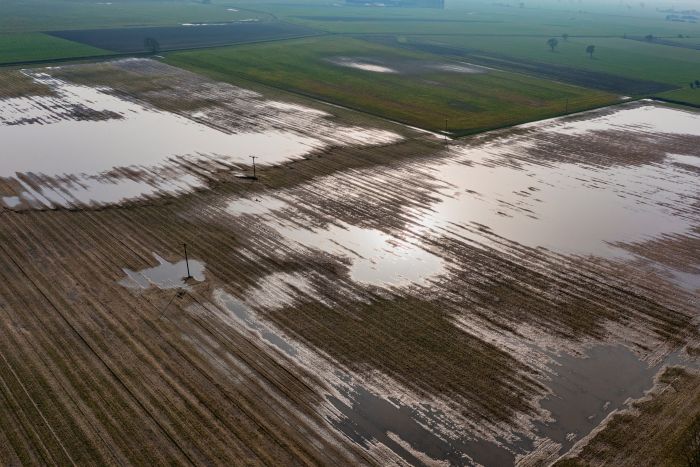
The United States Department of Agriculture, Washington, D.C., launched a new grant to fund the use of crop insurance data to improve education and extension efforts, according to a Successful Farming article. The data from this USDA grant can help growers understand how extreme weather and climate disruption cause production losses and project models for future losses.
The Butte, Montana-based National Center for Appropriate Technology with Montana State University, Bozeman, Montana, and the University of California, Davis, were awarded the five-year grant, totaling $1.5 million to collaborate with USDA Southwest and Northern Plains Climate Hubs.
Extreme weather can explain most of the insured causes of loss in both of these areas for 2020, but long-term trends are increasing due to changing climate.
“This project will utilize a diverse team, including climate hub personnel, extension faculty, agricultural economists, graduate students and two climate hub fellows to develop and implement improved extension materials for communicating these growing risks associated with extreme weather and climate change,” says Eric Belasco, professor of agricultural economics at Montana State University and co-project director.
The new USDA grant and partnership across the regions expands outreach efforts for the two Climate Hubs to connect with organizations such as the Cooperative Extension Service to address extreme weather and climate challenges.
“We at the Southwest Climate Hub have built producer-friendly tools such as the AgRisk Viewer that can help assess weather and climate risks, and this project will help expand and improve the use of this and other tools that serve the farmers and ranchers of the Southwest,” says Emile Elias, director of the USDA Southwest Climate Hub.
The project will begin by hosting a number of focus group sessions to target the broad range of growers, says Jeff Schahczenski, NCAT agricultural and natural resource economist. “It is critical to listen to the needs of farmers and ranchers on how best to meet the challenges of future extreme weather and climate risks.”
Share on social media:
3030 Clarendon Blvd. | Suite 300 | Arlington, VA 22201
Tel: 703.536.7080 | Fax: 703.536.7019
HOME | ABOUT US | ADVERTISE | SUBSCRIBE | CONTACT | PRIVACY POLICY | IA ANTITRUST STATEMENT