
Home » News + Features » Government/Policy » Federal government reopens: What it means for irrigation
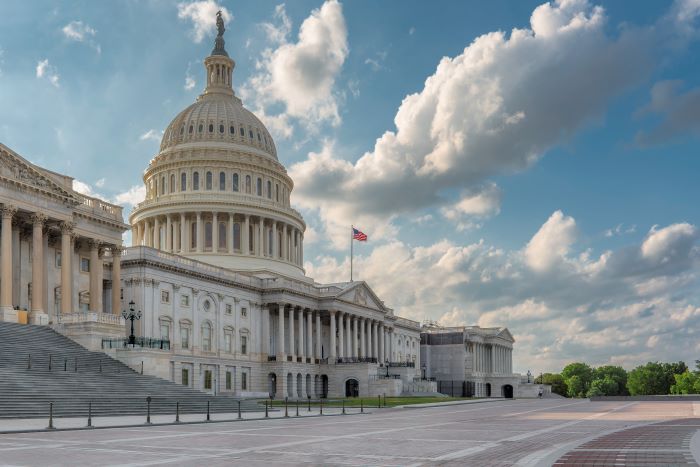
After 43 days, the longest federal government shutdown in U.S. history has ended, and agencies have returned to normal operations. Federal employees have returned to work, national parks and facilities are reopened, and air travel is stabilizing ahead of the holiday season as agencies work through a significant backlog.
For the irrigation industry, the bill to reopen the government does more than restore day-to-day operations. It provides full-year funding for the U.S. Department of Agriculture (USDA) and the Food and Drug Administration (FDA) through Sept. 30, 2026, and funds the rest of the federal government through Jan. 30, 2026. That structure reduces shutdown risk for key USDA programs over the next year.
The package bundles three annual appropriations bills:
For irrigation contractors, manufacturers and growers who rely on federal programs, the most immediate impact is at USDA and EPA:
While agencies will need time to work through weeks of delayed approvals, travel and project reviews, the shutdown risk for USDA programs is effectively off the table until the end of the fiscal year.
“From a technical and regulatory standpoint, this agreement gives our industry some badly needed certainty,” says Andrew Morris, associate director of technical and regulatory affairs at the Irrigation Association. “NRCS staff can get back to the field, EQIP contracts can move through the pipeline again, and WaterSense can resume supporting utility rebate and efficiency programs. There will still be delays as agencies clear the backlog, but having full-year funding in place for USDA and FDA means irrigation professionals can plan with more confidence heading into 2026.”
Share on social media:



3030 Clarendon Blvd. | Suite 300 | Arlington, VA 22201
Tel: 703.536.7080 | Fax: 703.536.7019
HOME | ABOUT US | ADVERTISE | SUBSCRIBE | CONTACT | PRIVACY POLICY | IA ANTITRUST STATEMENT