Deficit irrigation can improve crop quality and conserve water, but requires precise timing, monitoring, and crop-specific knowledge to avoid yield loss.
Managing irrigation water quality starts with testing and understanding salt content, then tailoring strategies to water source, irrigation method, and crop needs.
Irrigation improves agricultural productivity but requires intentional focus on nutrition through crop diversity, water quality management, and inclusive governance to support food security and health...
How allocations, metering and other regulatory water policies are reshaping farm economics, from day-to-day decision-making to long-term sustainability.
Master Irrigator programs have trained producers across seven states, impacting over 500,000 acres through peer-to-peer learning and hands-on technology training.
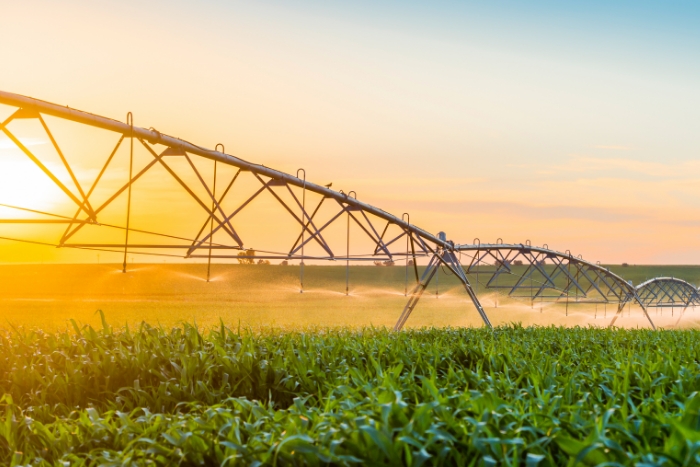
Smart irrigation technologies enable farmers to reduce water usage by 20% while maintaining yields through AI, remote monitoring, and precision control systems.