
Home » News + Features » Water » $45M state investment advances surface water irrigation in central Washington

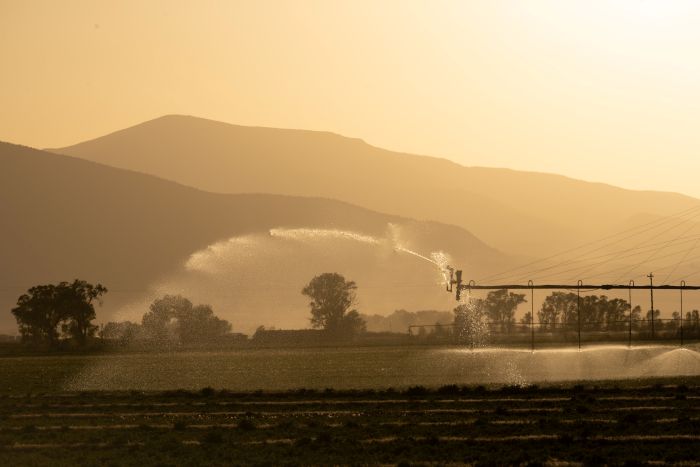
A major irrigation infrastructure upgrade is underway in central Washington, where state and federal partners have committed $45 million to expand surface water delivery in the Columbia Basin. According to Spokane Public Radio, the funding will support the EL 22.1 Surface Water Irrigation Project, part of the larger Odessa Groundwater Replacement effort aimed at reducing reliance on rapidly declining aquifers.
The project will take 36 deep wells offline and redirect water from the East Low Canal to over 17,000 acres of farmland in Grant, Adams and Lincoln counties. Growers have contributed $40 million in local matching funds to move the project forward.
Lawmakers backing the plan—including Rep. Joe Schmick and Rep. Tom Dent—say the investment is critical to improving agricultural resilience, crop diversification, and food security. Schmick noted that unreliable groundwater levels have long jeopardized growing seasons in the region. Dent added that reliable irrigation is essential not just for farms, but for the long-term viability of entire communities.
The upgraded delivery system is expected to enable higher-value crop production, stabilize water access and reduce infrastructure risks associated with overpumping groundwater.
Share on social media:

3030 Clarendon Blvd. | Suite 300 | Arlington, VA 22201
Tel: 703.536.7080 | Fax: 703.536.7019
HOME | ABOUT US | ADVERTISE | SUBSCRIBE | CONTACT | PRIVACY POLICY | IA ANTITRUST STATEMENT