
Home » News + Features » Irrigation » Amazon Web Services partners with Arable and Mississippi State to cut farm water use

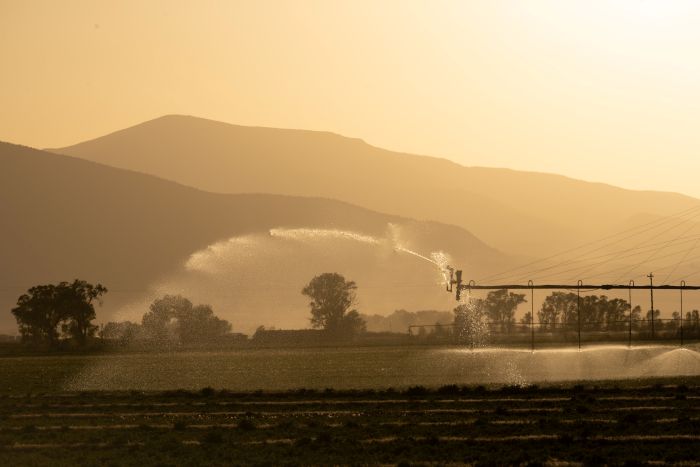
Amazon Web Services has partnered with ag-tech firm Arable and Mississippi State University on a new smart irrigation project aimed at slowing the decline of the Mississippi River Valley Alluvial Aquifer. The aquifer, which supplies water to more than 7 million acres of farmland, has dropped steadily since the 1970s due to pumping, land use change, and climate stress.
The project equips growers with sensors that combine soil moisture, weather, and crop data in real time. Backed by cloud computing and machine learning, the system pushes irrigation recommendations directly to a farmer’s phone. Early projections show the effort reducing farm water withdrawals by about 150 million gallons annually—enough to cover the needs of 1,600 Mississippi households.
“This AI-enabled technology transforms how farmers interact with their land and water resources,” says Arable CEO Jim Ethington. “By providing data-driven insights directly to farmers, we’re empowering them to make more precise water decisions.”
The initiative dovetails with Mississippi State’s Master Irrigator program, which trains producers in sustainable irrigation practices, soil health and water management strategies that boost efficiency and profitability.
For Amazon Web Services, the Mississippi pilot joins more than 30 other water replenishment projects worldwide. Collectively, these projects are expected to return more than three billion gallons annually as Amazon Web Services moves toward its 2030 goal of being water positive.
“Water sustainability requires innovative thinking and collaboration,” says Brandon Oyer, AWS director of energy and water. “By helping farmers adopt precision irrigation technology, we’re not only preserving a critical resource, but also supporting the agricultural economy that depends on it.”
Share on social media:


3030 Clarendon Blvd. | Suite 300 | Arlington, VA 22201
Tel: 703.536.7080 | Fax: 703.536.7019
HOME | ABOUT US | ADVERTISE | SUBSCRIBE | CONTACT | PRIVACY POLICY | IA ANTITRUST STATEMENT