
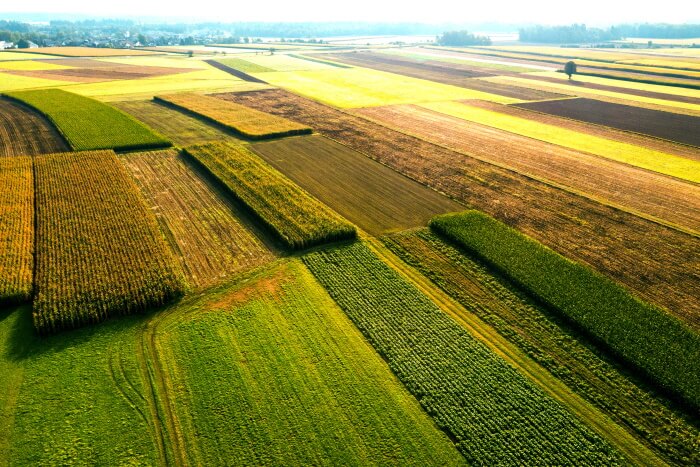
Ceres Imaging, Oakland, California, and Soiltech Wireless, Rupert, Idaho, have announced a long-term partnership under which Soiltech Wireless will deliver critical enabling technology for the Ceres platform.
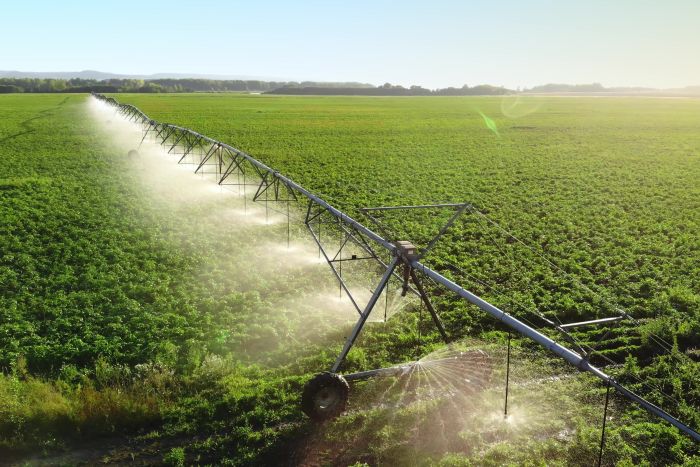
Ceres Imaging delivers precision agriculture solutions across farm operations, while Soiltech provides remote crop monitoring and traceability from field to transport and storage. Through this partnership, Ceres will use Soiltech technology to deliver water optimization and irrigation insights to their customers.
This integration will also help provide context for aerial imagery through field intelligence and consolidate the number of apps growers need in order to access critical business insights.
“We are excited to partner with Ceres to continue to build a powerful suite of imagery solutions to help customers cover more ground, make the most of resources, and focus time and attention where it is most needed,” says Ehsan Soltan, CEO of Soiltech Wireless. “Similarly, our team at Soiltech Wireless has repeatedly demonstrated that farmer success is the keystone to unlocking economic value throughout the agricultural supply chain and enabling the enhancement of economic drivers from seed to shelf. We are proud to be teamed with Ceres to deliver value for growers.”
“The integration with Soiltech Wireless will help improve the grower experience, increase sustainability and help protect farm profits,” says Ashwin Madgavkar, founder at Ceres Imaging.
Read more about Soiltech.
Share on social media:

3030 Clarendon Blvd. | Suite 300 | Arlington, VA 22201
Tel: 703.536.7080 | Fax: 703.536.7019
HOME | ABOUT US | ADVERTISE | SUBSCRIBE | CONTACT | PRIVACY POLICY | IA ANTITRUST STATEMENT