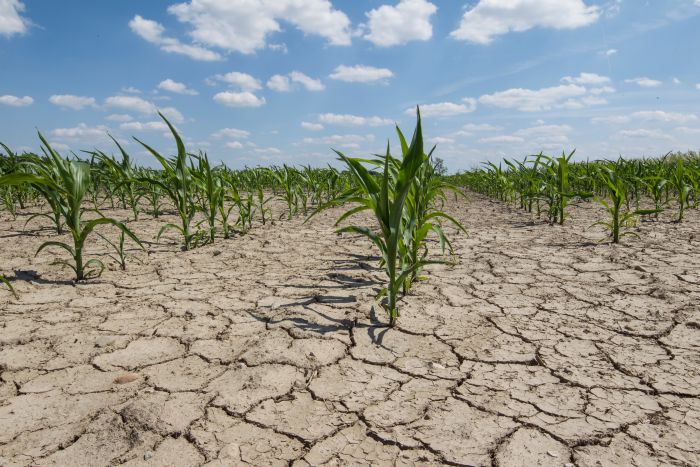
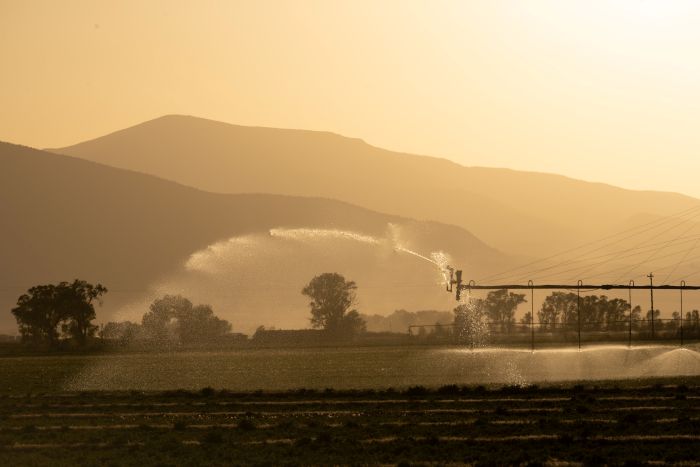
Peak irrigation season is underway and widespread drought conditions across multiple regions of the U.S. are prompting new restrictions on outdoor water use while also unlocking federal relief for agricultural producers.
Municipalities in drought-affected areas are implementing limits on lawn irrigation, including reduced watering days, time-of-day restrictions, and, in some cases, temporary bans to preserve strained water supplies.
Commercial and residential irrigation contractors should check with local municipalities for approved watering schedules and encourage customers to invest in WaterSense-labeled controllers.
At the same time, the U.S. Department of Agriculture has designated multiple counties in numerous states as primary natural disaster areas due to drought, making farmers eligible for emergency assistance. Through the Farm Service Agency, producers can apply for low-interest disaster loans to help offset losses tied to drought-related impacts, including reduced yields and increased input costs.