
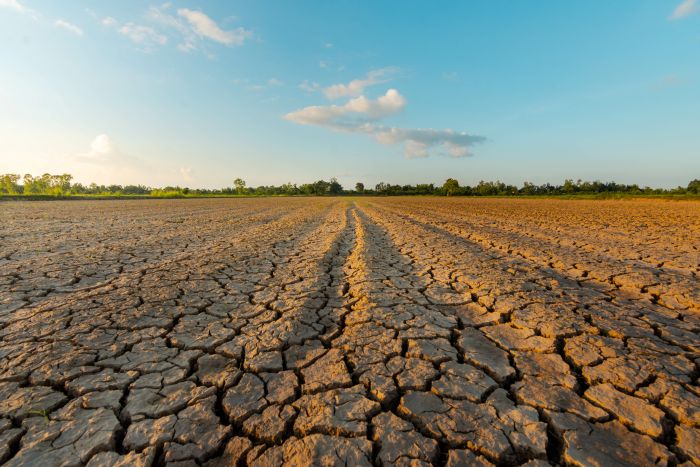
In the East and Southeast, drought often feels different than it does in the West. It may not come with the same slow visible decline in reservoirs or multi-state allocation negotiations. Instead, it can arrive quickly – in hotter temperatures, persistent wind, and stretches without rain. Suddenly soils that looked fine two weeks ago are dry enough to stall a crop.
That’s why drought in these regions is often best described as episodic, or even “flash drought,” when conditions deteriorate rapidly. For many growers, irrigation is supplemental rather than constant, which can make the response window even tighter when things turn.
On the ground, the challenge isn’t just having irrigation infrastructure. It’s being able to make timely decisions when conditions shift. In many Eastern production systems, irrigation decisions still rely heavily on visual cues or experience like crop appearance, the feel of the soil, or what a neighbor is doing. That can work, but it also introduces variability, and drought tends to expose that quickly.
The Penn State Extension summary of irrigation survey results captures this range well: many producers report using visual condition and “feel of soil,” while fewer use tools like soil moisture sensing or ET-based reporting. That gap isn’t a criticism. It’s simply a reminder that in regions where irrigation isn’t always front and center, scheduling habits may not be as structured until drought forces the issue.
The good news is that improving drought response doesn’t require a complete overhaul. Often, it starts with being more intentional about readiness:
From there, the biggest opportunity is usually decision timing. One of the most common patterns during fast drought onset is “catch-up irrigation” or running longer sets after stress is visible. The problem is that by the time stress shows up, yield impacts may already be underway, and heavy irrigation can increase runoff risk, nutrient movement, or simply apply water to soils that can’t absorb it efficiently.
This is why even modest monitoring improvements can pay off. Real-time insight into root zone conditions helps growers shift from reactive to proactive scheduling. This includes irrigating before stress compounds and backing off when moisture is already adequate. For growers looking for situational awareness, drought tracking tools like the The U.S. Drought Portal | Drought.gov and the Current Map | U.S. Drought Monitor can help ground decisions in what’s happening regionally.
As weather variability increases, the ability to respond quickly and efficiently to short-term drought becomes part of resilience. Supplemental irrigation doesn’t need to be constant to be valuable, but it does need to be timely. Increasingly, that’s the difference between simply enduring dry spells and managing them.
Share on social media:
3030 Clarendon Blvd. | Suite 300 | Arlington, VA 22201
Tel: 703.536.7080 | Fax: 703.536.7019
HOME | ABOUT US | ADVERTISE | SUBSCRIBE | CONTACT | PRIVACY POLICY | IA ANTITRUST STATEMENT