
Home » News + Features » Government/Policy » Idaho water users finalize long-term agreement to protect aquifer

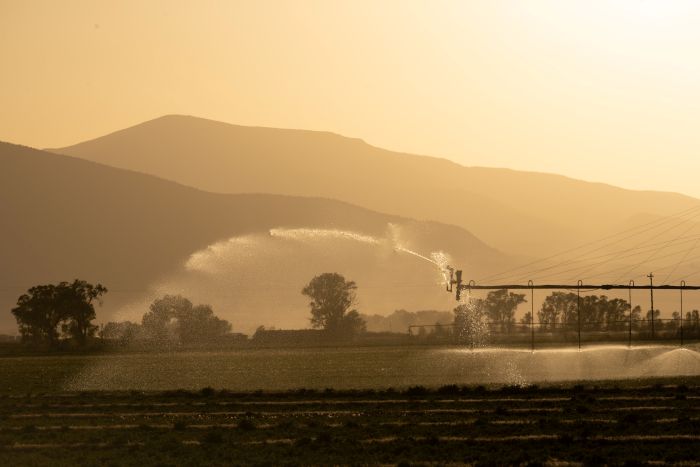
The Surface Water Coalition and nine groundwater districts in Idaho’s Eastern Snake Plain Aquifer have finalized the 2024 Stipulated Mitigation Plan, according to reporting in the Post Register. This agreement, mandated by the 2024 Protecting Idaho Water Sovereignty Act, aims to uphold Idaho’s “first in time, first in right doctrine” and ensure the long-term health of the aquifer.
Key provisions include groundwater districts conserving at least 205,000 acre-feet of water annually, monthly reporting and storage commitments for mitigation. Participants gain safe harbor protections and aim to maintain Idaho’s water sovereignty while balancing agricultural and environmental needs.
Gov. Brad Little praised the agreement as a step toward securing Idaho’s water future, highlighting collaborative efforts by farmers and leaders such as Lt. Gov. Scott Bedke.
“It was a tough year of negotiations, but I never doubted our farmers could get this done,” says Little. “Idahoans have always solved our own problems, and the new mitigation plan charts a better path for all water users in the years ahead while ensuring Idahoans maintain control of our water destiny, not other states, the feds, or the courts. I am very proud of everyone involved for coming together and getting a new plan across the finish line. I am especially grateful to Lt. Gov. Scott Bedke. He took on one of Idaho’s most significant policy issues and helped build the consensus needed to arrive at this milestone. Scott Bedke has demonstrated true leadership once again.”
Share on social media:


3030 Clarendon Blvd. | Suite 300 | Arlington, VA 22201
Tel: 703.536.7080 | Fax: 703.536.7019
HOME | ABOUT US | ADVERTISE | SUBSCRIBE | CONTACT | PRIVACY POLICY | IA ANTITRUST STATEMENT