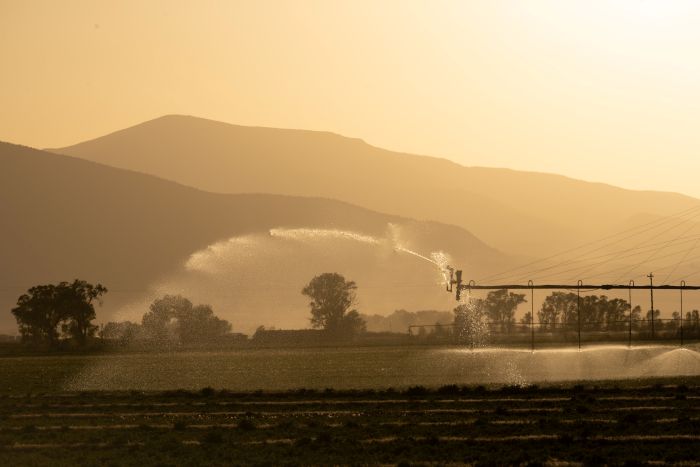
Hours after the Biden Administration and the Imperial Irrigation District approved a deal to conserve 700,000 acre-feet of Colorado River water through 2026, water deliveries to the Imperial Valley were cut off, according to reporting from The Desert Sun. The move is part of an unprecedented agreement that will reduce water flow to hundreds of farm fields for up to 60 days this year and over the next two summers.
The deal, which will compensate the IID and participating farmers with nearly $700 million in federal funds, is part of a broader effort to protect the drought-stricken Colorado River and its reservoirs. Environmental and community groups have criticized the agreement for its rushed approval process, warning of potential negative impacts on the Salton Sea and public health, according to the Sun’s report.
Despite the concerns, IID officials argue that the deal is a necessary step in conserving water and ensuring a resilient future for the Colorado River Basin. The deal, according to California’s Colorado River Commissioner J.B. Hamby, sets a precedent for other states and regions to follow.