

Jain Irrigation Inc., Salt Lake City, Utah, released a first-of-its-kind water cost monitoring platform in November.
The platform is called Jain Unity and is the first Environmental Protection Agency WaterSense-certified weather-based smart irrigation control product that lets customers see daily how much they spend on water to maintain their lawns and landscaping, according to the company.
“The compounded annual growth rate of the cost of water in the U.S. is higher than any other utility or service,” says Richard Restuccia, vice president of water management solutions at Jain Irrigation. “Now there’s a price incentive to be more water-efficient than at any time we’ve seen, so Jain Unity irrigation automation and water cost is a simple but powerful combination for sustainable management of precious supply. With climate whiplash and drought becoming the norm, visibility into its cost is as important as seeing how much irrigation is necessary for landscaping to stimulate individual and business accountability.”
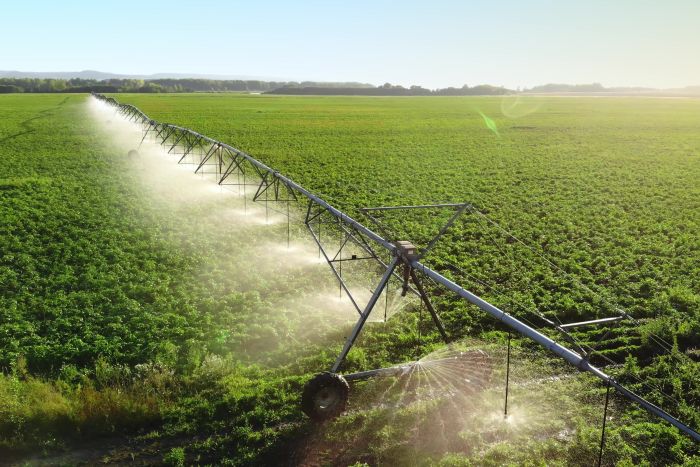
The smart irrigation platform monitors the state of moisture in plant root zones to determine precision scheduling for when and how much irrigation needs to be applied while adjusting hourly for changes in the weather. It incorporates artificial intelligence and predictive modeling of future environmental changes, such as forecast rainfall, to reduce the running of an irrigation system whenever possible while sustaining plant health quality.
Read more about sustainability.
Share on social media:

3030 Clarendon Blvd. | Suite 300 | Arlington, VA 22201
Tel: 703.536.7080 | Fax: 703.536.7019
HOME | ABOUT US | ADVERTISE | SUBSCRIBE | CONTACT | PRIVACY POLICY | IA ANTITRUST STATEMENT