
Home » News + Features » Irrigation » K-State Study: Slower pivot speeds improve water efficiency and yields

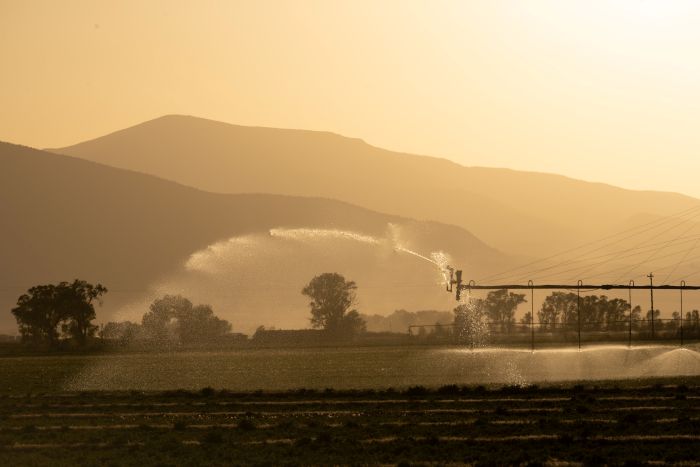
New research from Kansas State University suggests that a simple adjustment to center pivot irrigation systems—slowing down the speed—can significantly improve water use efficiency and crop yields across drought-prone areas of the High Plains. As reported by Farm Talk, the findings are particularly relevant as producers face persistent aquifer decline and rising input costs.
Jonathan Aguilar, PhD, a water resource engineer with K-State Research and Extension, says that pivot systems often run too quickly, preventing water from properly soaking into the soil. Slowing the system allows more moisture to reach the root zone, reducing losses from evaporation and runoff.
Aguilar emphasized that this technique requires no new technology and can be implemented immediately. In addition to adjusting pivot speed, he encourages producers to monitor soil moisture, time irrigation during cooler parts of the day, and align water application with crop needs and weather conditions.
The study highlights how even small changes in irrigation management can yield measurable gains in water savings and productivity—especially in western Kansas, where the Ogallala Aquifer continues to decline. Farmers are urged to reassess their current systems and adopt low-cost strategies to maximize efficiency this season.
Share on social media:


3030 Clarendon Blvd. | Suite 300 | Arlington, VA 22201
Tel: 703.536.7080 | Fax: 703.536.7019
HOME | ABOUT US | ADVERTISE | SUBSCRIBE | CONTACT | PRIVACY POLICY | IA ANTITRUST STATEMENT