The Jet Propulsion Laboratory, Pasadena, California, published a study that takes stock of the previously unmeasured source of water that flows through soil and rock below California’s Sierra Nevada mountain range.
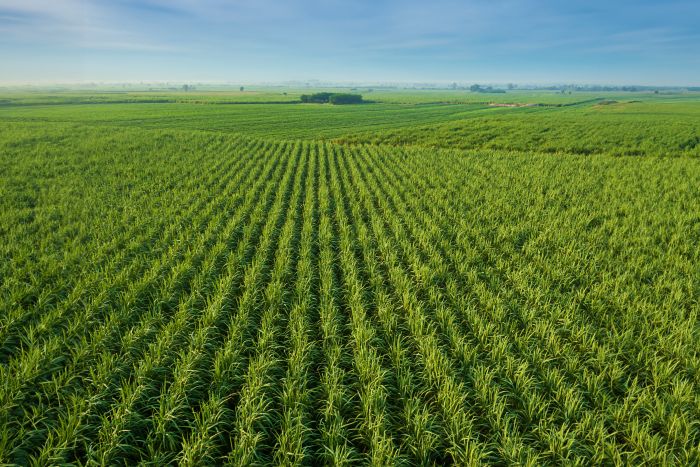
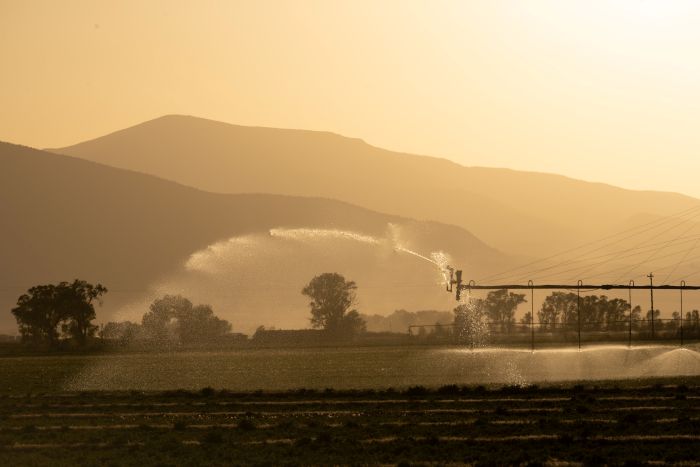
The underground body of water delivers an average of four million acre-feet (five cubic kilometers) of water to the state’s Central Valley each year and accounts for about 10% of all the water that enters the valley’s farmland each year from every source (including river inflows and precipitation), according to the JPL.
The study was led by JPL’s Donald Argus, who has been studying groundwater fluctuation in the Central Valley using GPS and Gravity Recovery and Climate Experiment data.
“We now know how much groundwater is going into and coming out of the aquifers during each season of the year, and during periods of drought and episodes of heavy precipitation,” says Argus.