
Home » News + Features » Water » Nebraska research applies inventory management practices to irrigation management
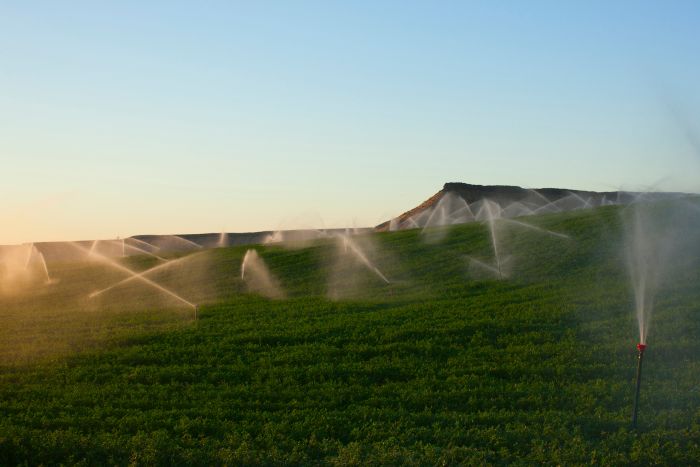
New research from the University of Nebraska-Lincoln is giving producers a way to reduce water usage while maintaining, or even improving, profitability.
Rather than applying full irrigation throughout the season, producers can use the smart irrigation rules developed through computer simulations based on historical farm conditions, soil characteristics, weather patterns and economic factors to decide exactly when to start and stop watering crops. The framework provides growers with guidance on monitoring soil moisture and irrigating only when it drops to a specific level.
“Our research combines ideas from supply chain management and agriculture to help farmers make better decisions,” said Erkut Sönmez, associate professor of supply chain management and analytics at Nebraska. “In particular, we adapted inventory management policies used to manage products in a warehouse to instead manage water in the soil, which has never been done before.”
The team of researchers plans to take these results into the field for testing on corn and soybean fields. In addition to irrigation, the team plans to “apply similar analytical and data-driven approaches to help farmers in other areas of farm management, such as nitrogen fertilizer.”
Share on social media:
3030 Clarendon Blvd. | Suite 300 | Arlington, VA 22201
Tel: 703.536.7080 | Fax: 703.536.7019
HOME | ABOUT US | ADVERTISE | SUBSCRIBE | CONTACT | PRIVACY POLICY | IA ANTITRUST STATEMENT