USDA accepting conservation proposals

Nearly $310 million is available through the Regional Conservation Partnership Program with project proposals due Aug. 24, 2026.
EDITED BY KATIE NAVARRA
AdobeStock_103313162

The U.S. Department of Agriculture (USDA) announced a $310 million investment to expand producer conservation work across the country. Funds will be available through the USDA’s Regional Conservation Partnership Program (RCPP) with the goal of helping farmers, ranchers and forest landowners adopt conservation practices that improve operations while protecting natural resources.  

Funding is available through two programs: the RCPP Classic and RCPP Alternative Funding Arrangements, with 75% of the funds will be distributed directly to farmers to implement conservation practices. 

Project proposals are due by Aug. 24, 2026, and will be evaluated based on how they address the following priorities. 

  • Improving soil health, water quality or wildlife habitat to promote sustainable agriculture and the long-term viability of agriculture, grasslands and forestlands. 
  • Using soil health practices that minimize soil disturbance, increase soil cover, support natural soil vitality and encourage living roots year-round. 
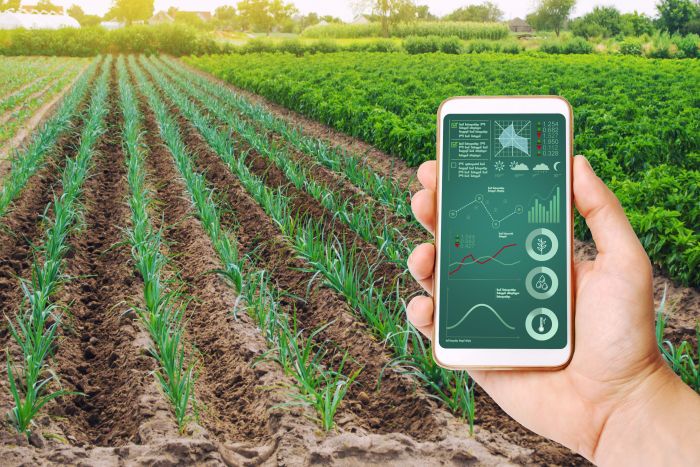
  • Incorporating precision agriculture technologies into conservation efforts. 
  • Supporting projects led by Indian Tribes. 
  • Supporting Farmer First projects. 

Share on social media:

it-icon

RELATED NEWS

AdobeStock_278639011
The U.S. Department of Agriculture (USDA) is making $65 million available through its Conservation Innovation Grants (CIG) program to accelerate the development and adoption of new conservation technologies and practices on private agricultural lands.
AdobeStock_1342934152_Editorial_Use_Only
The U.S. Department of Agriculture opened nominations for Farm Service Agency (FSA) County Committees on June 16, 2026.
AdobeStock_756924708
As first reported by the Associated Press (AP), elected officials in Arizona are taking steps to limit groundwater use in rural, farming areas.