
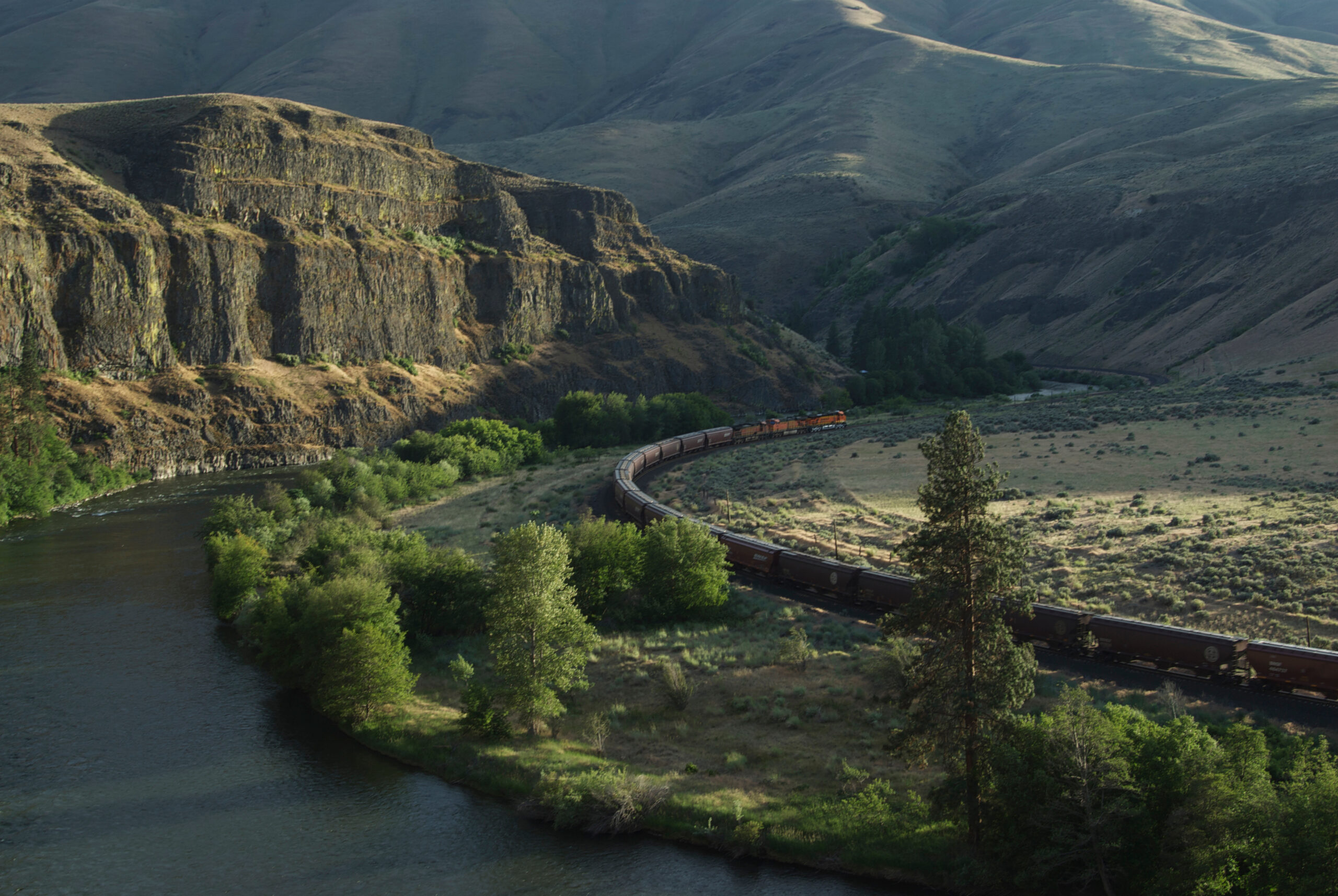
Facing historically low reservoir storage and streamflows after a third consecutive year of drought, the Washington Department of Ecology will halt all surface water use in the Yakima Basin from Oct. 6 through the end of October.
“We have not experienced a drought like this in over 30 years, and it’s forcing us to take actions we’ve never done before,” said Ria Berns, Ecology’s Water Resources program manager. “We know that restricting water diversions will impact communities across the Yakima Basin, but this is a necessary step to protect water for fish and senior water rights in the face of continued drought conditions.”
The Yakima Basin reservoirs are expected to run out of stored water after Oct. 6, leaving only natural flows, which are insufficient to meet irrigation demands—even for senior water rights. More than 1,500 water right holders may be affected, and local communities could face residential watering restrictions.
“For years, the Yakima Basin has been a national model for collaboration and water management,” said Casey Sixkiller, Ecology director. “That partnership has led to more than $1 billion in investments. But the conditions we see today show that there is much more work still ahead of us to improve water security for the region.”
Share on social media:
3030 Clarendon Blvd. | Suite 300 | Arlington, VA 22201
Tel: 703.536.7080 | Fax: 703.536.7019
HOME | ABOUT US | ADVERTISE | SUBSCRIBE | CONTACT | PRIVACY POLICY | IA ANTITRUST STATEMENT