Sponsored by

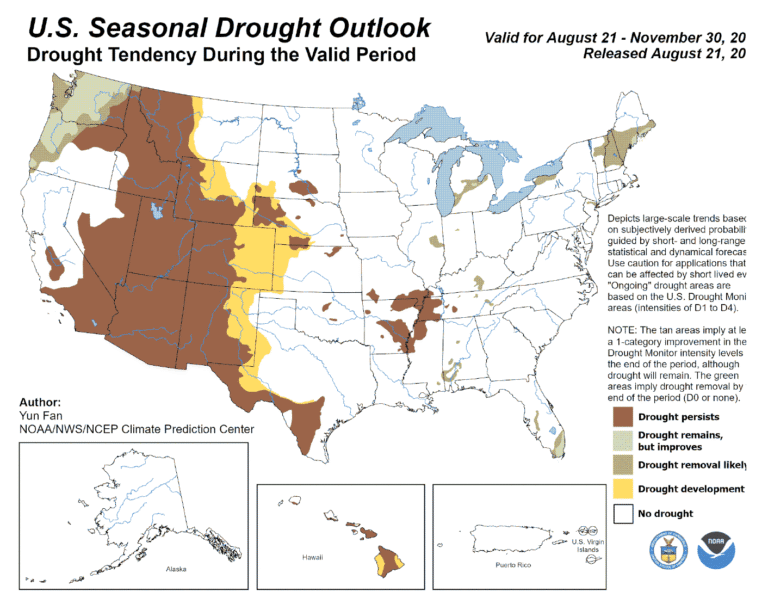
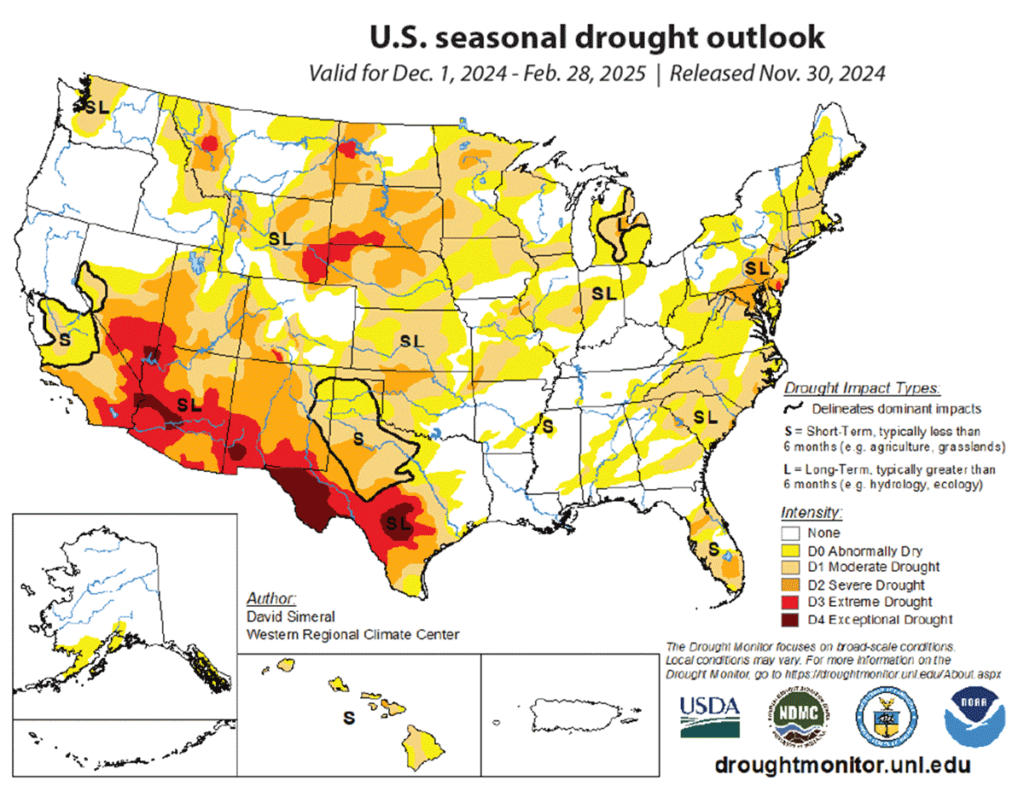
More than 40% of the contiguous United States has been experiencing drought each week since Feb. 25, according to the U.S. Drought Monitor. Heading into the growing season, drought was focused primarily from the Desert Southwest to the southern Plains and across portions of the northern Plains and upper Midwest. Meanwhile, in early April, flooding rains from the mid-South into the lower Midwest contrasted with ongoing drought in many of the nation’s driest areas.
From a Western water supply perspective, summer runoff prospects are decidedly mixed. Many areas along and north of a line from the Sierra Nevada to the central Rockies ended the winter with favorably heavy snowpack, portending ample water supplies for irrigation, recreation, conservation, power generation and municipal use. However, much of Arizona and New Mexico, along with southern sections of Utah and Colorado, received subpar winter snowfall and may face surface water shortages due to limited runoff. Statewide reservoir storage in New Mexico is already less than two-thirds of average for this time of year, with poor recharge expected over the next few months. Additionally, Mexico nears the end of a five-year cycle for water repayment in the midst of punishing drought. Along the Rio Grande, Amistad Reservoir was only 26% full as April began, while Falcon Lake was 16% full.
Looking ahead to summer, odds are tilted toward hotter-than-normal weather across much of the country, especially along and west of a line from Montana to Texas. Meanwhile, an active Southwestern monsoon circulation could provide some summer drought relief in parts of Arizona and New Mexico. Wetter-than-normal summer weather should also develop in the eastern U.S., perhaps related to enhanced tropical activity, while drier-than-normal summer conditions are the most likely outcome across the Plains, Northwest and upper Midwest.