
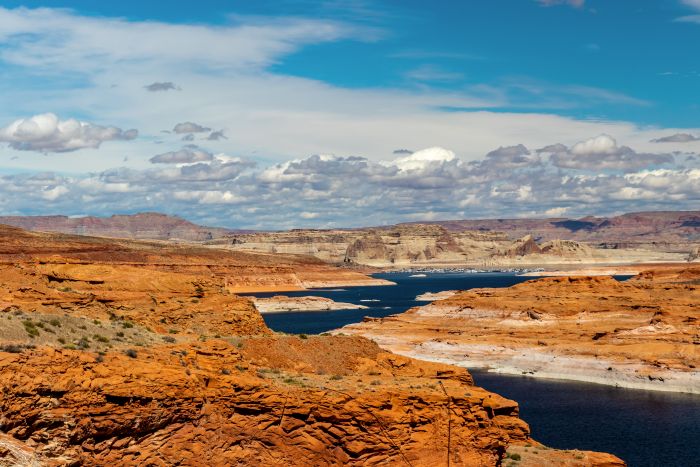
This fall, corporate water stewardship received a significant boost when Amazon announced a $20 million investment in Colorado River conservation and helped launch the Colorado River Basin Collaborative, an initiative seeking to mobilize $100 million for water projects over the next two years. Other participating organizations include Aldi, The Coca-Cola Foundation, Ecolab, EdgeConneX, Grundfos, Vantage and Xylem.
While the irrigation industry is just one of many ways for companies to invest in water, a consideration is how private dollars can work alongside producers and public conservation programs to turn sustainability commitments into implemented projects.
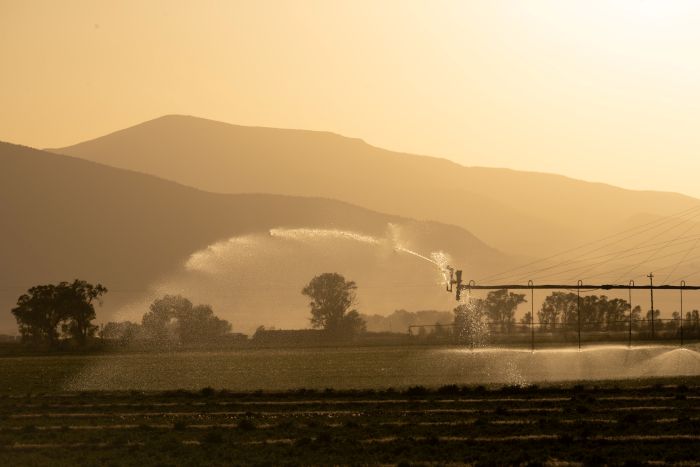
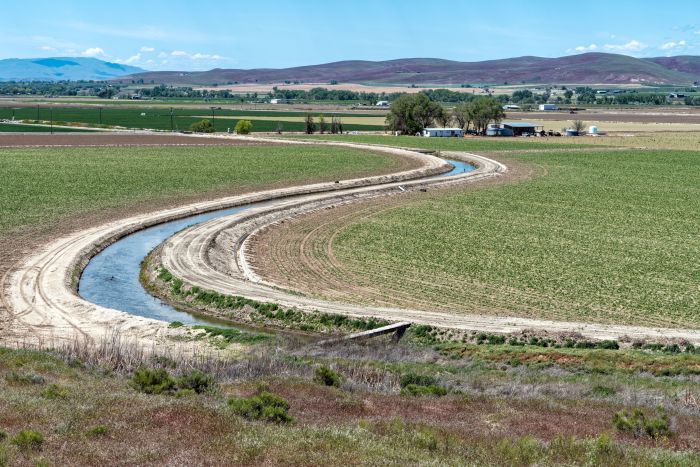
The Colorado River Basin provides an opportunity to scale corporate commitments. The river supports approximately 40 million people, 30 Tribal nations and 5.5 million acres of farmland across seven states and Mexico. Agriculture supported by the river also produces roughly 90% of the nation’s winter vegetables. Agriculture has an important role to play, and irrigation professionals may also have one. One of the first projects announced through the new collaborative provides $2.4 million for irrigation technology on Tribal farmland in Arizona. The project will use field sensors to improve irrigation scheduling and is expected to conserve approximately 238 million gallons of water annually.
Irrigation modernization or improvements are just one pathway for companies seeking to support projects that can deliver annual reportable benefits, and there many ways companies can commit their dollars: Companies can invest directly in farm and watershed projects; they can participate in collective action initiatives; or they can combine their private contributions with public conservation programs or philanthropy.
The Colorado River Basin Collaborative, for example, is mobilizing corporate funding for water security, watershed health, and agricultural resilience across the basin. Similar models are operating elsewhere: the California Water Resilience Initiative connects corporate funders with vetted projects aligned with state water priorities; the California Water Action Collaborative led the development of these programs by bringing companies, agricultural producers and environmental organizations together to advance water security projects; the Texas Water Action Collaborative matches funders with conservation projects; and the Mississippi River Water Action Collaborative connects funders with vetted projects addressing water quality, water quantity and water access across the basin.
The SUSTAINS Act offers another option. It gives USDA authority to accept private contributions to support existing conservation programs, creating a pathway for private dollars to complement federal conservation assistance on working lands.
Together, these approaches suggest an opportunity to think less about finding a single funding source and more about building a funding stack. USDA programs can support eligible conservation practices, while corporate investment, whether direct, collaborative or through SUSTAINS, can potentially extend available resources or address additional capital, technical assistance, measurement and implementation needs.
There is another opportunity as well: breaking down the artificial divide between water stewardship and regenerative agriculture. On a farm, those outcomes frequently overlap. Improved irrigation management can reduce water use while supporting nutrient management, crop resilience, and other soil health practices.
For irrigation professionals, the opportunity may extend beyond designing and installing efficient systems. As private investment grows in stressed watersheds like the Colorado River Basin, helping producers connect technology, public programs, private capital and measurable environmental outcomes could become an increasingly important part of moving projects from good ideas to implementation.
Written with the support of AI
Val Fishman is advocacy and development consultant for Orbia Precision Agriculture (Netafim).
Share on social media:

3030 Clarendon Blvd. | Suite 300 | Arlington, VA 22201
Tel: 703.536.7080 | Fax: 703.536.7019
HOME | ABOUT US | ADVERTISE | SUBSCRIBE | CONTACT | PRIVACY POLICY | IA ANTITRUST STATEMENT