With changes in precipitation patterns, a higher frequency and severity of droughts, and increased demand for water not only in agriculture but also in other uses (e.g., data centers), water savings has become a priority objective in sustainable water management around the world.
Typically, water savings refers to a reduction in water use that is achieved through changes in policy, technology or behavior. Agricultural water savings initiatives may be especially attractive because they offer opportunities to conserve water or address water scarcity without compromising agricultural production outcomes. However, measuring water savings and understanding its actual impact depend on various factors, making the task complex.
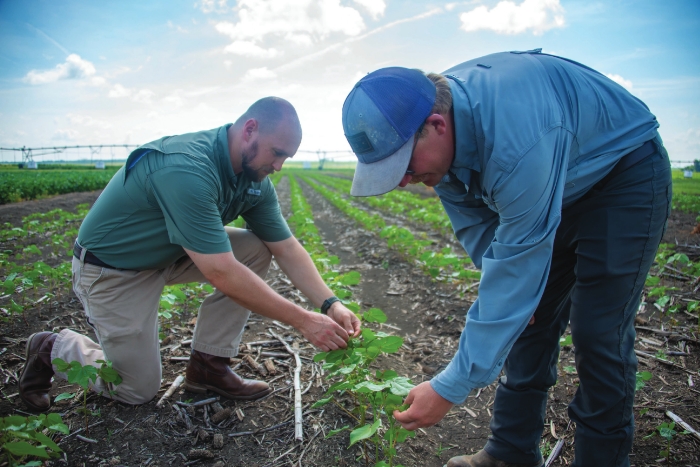
Interest in generating and claiming water savings has been growing across many agricultural stakeholder groups. This includes farmers interested in increasing the productivity of water use; governments concerned about long-term water conservation; equipment manufacturers and dealers seeking to improve sales of irrigation technologies that improve water use efficiency; and corporations, such as food and beverage companies, aiming to reduce their water footprint, which sometimes involves working directly with farmers to incentivize the adoption of water-saving practices.
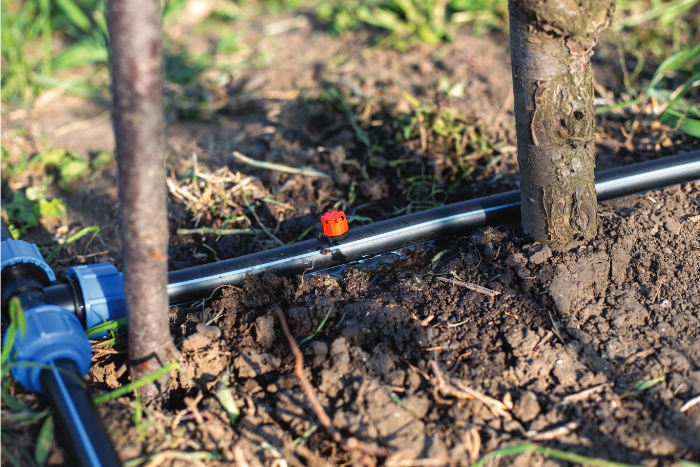
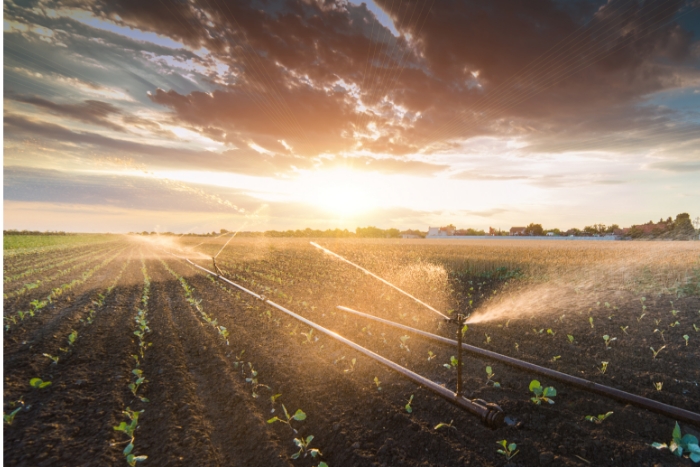
The accuracy of measuring agricultural water savings is context-specific. Water law, water-use patterns, crop production systems, weather conditions and hydrologic processes vary across locations and years. These factors can make water savings difficult to quantify and can lead different stakeholders to reach different conclusions regarding the amount of water conserved. For instance, a more efficient irrigation technology may reduce the amount of water applied to a field, resulting in apparent water savings at the field scale. However, reducing the amount of water applied does not necessarily mean that consumptive water use has declined.
Applied water savings occurs when less water is diverted or pumped and delivered to a field. While these reductions may lower the volume of water withdrawn from a river, reservoir or aquifer, they do not necessarily create water that remains available within the broader system. The saved applied water may be used to irrigate additional acres or support more water-intensive crops, or it may be consumed elsewhere within the farm or irrigation system.
“From an economic perspective, the value of water savings depends not only on how much water use is reduced but also on where and when those reductions occur.”
Consumptive water savings, on the other hand, occurs when less water is consumed through crop evapotranspiration, leaving more water that can return to rivers, reservoirs or aquifers and therefore remain available for future use. As a result, reductions in applied water use do not automatically translate into reductions in consumptive water use.
From an economic perspective, the value of water savings depends not only on how much water use is reduced but also on where and when those reductions occur. A reduction in consumptive water use in an area experiencing groundwater depletion, recurring drought or competition among water users will likely generate more economic and environmental benefits than in an area with more stable water access. This underscores the importance of considering local hydrologic, economic and institutional contexts when evaluating water savings, rather than relying on a single measure.
In addition, the scale of analysis matters. A change in practice that reduces water use on an individual field likely will not result in the same level of water reduction at the farm, watershed or aquifer scale.
As interest in agricultural water savings continues to grow, careful and consistent measurement approaches become increasingly important. Distinguishing between applied and consumptive water savings, accounting for local conditions and evaluating the effects at appropriate spatial scales can help ensure that water-saving initiatives achieve their intended goals.
3030 Clarendon Blvd. | Suite 300 | Arlington, VA 22201
Tel: 703.536.7080 | Fax: 703.536.7019
HOME | ABOUT US | ADVERTISE | SUBSCRIBE | CONTACT | PRIVACY POLICY | IA ANTITRUST STATEMENT