
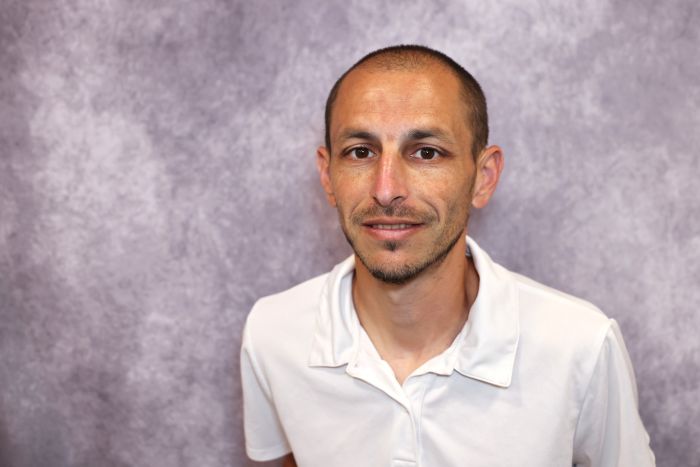
Each year, the Irrigation Association’s Anthony W. “Tony” LaFetra Scholarship program recognizes a group of exceptional students whose passion, dedication and potential reflect a bright future for the irrigation industry. In this special Q&A series, Irrigation Today introduces the 2026 scholarship recipients. These outstanding individuals are already making an impression through their academic achievements, professional goals and commitment to advancing water-efficient practices.
Get to know these emerging leaders as they share their perspectives, inspirations and aspirations, offering a glimpse into the talent and enthusiasm shaping the next generation of our industry.
What does receiving this scholarship mean to you?
This scholarship is a recognition of the importance of research into irrigation management carried out by researchers at the University of Nebraska, Lincoln (UNL), and the Daugherty Water for Food Institute (DWFI). The team members in these institutions have been critical to the training and projects that this scholarship is supporting, and I believe this award reflects on the hard work of many colleagues in the university. The recognition of the Irrigation Association is especially meaningful in promoting UNL’s and DWFI’s mission to support both stewardship of water resources in agriculture as well as economic viability for producers.
What are your future plans in the irrigation or broader industry?
I hope to continue working in research in agricultural water and soil management. My goal is to continue being involved in practical research that contributes to new findings on water management that supports more efficient production. I’d like to keep being involved by engaging in research implementation as well as disseminating findings of innovations in irrigated systems to producers and other stakeholders. I could see myself pursuing this in either public or private sector organizations involved in this type of work.
What sparked your interest in this field?
I worked for many years on irrigation, water management, and soil management research in smallholder farming systems in East Africa with U.S. universities and international institutions. Managing these research and development projects led me to discover the satisfaction of discovering new findings related to real world challenges faced by producers and researchers. Over time, engaging in the process of understanding producers’ and other key stakeholders’ concerns and using research methods to develop findings and solutions has become a passion. The experience I have had at UNL and DWFI of engaging with water management stakeholders in the U.S., such as natural resource districts, industry partners, extension offices and producers has been valuable in expanding my understanding of different perspectives on the challenges faced by the sector.
What advice or encouragement would you give to others exploring this career path?
The most essential advice in my experience is to prioritize personal connections. Strong relationships with colleagues are the most valuable thing you can develop in a career, and this is only possible by showing respect and developing genuine connections with the people you work with. Backing up these connections with work you can take pride in is critical to long lasting professional relationships.
Share on social media:

3030 Clarendon Blvd. | Suite 300 | Arlington, VA 22201
Tel: 703.536.7080 | Fax: 703.536.7019
HOME | ABOUT US | ADVERTISE | SUBSCRIBE | CONTACT | PRIVACY POLICY | IA ANTITRUST STATEMENT