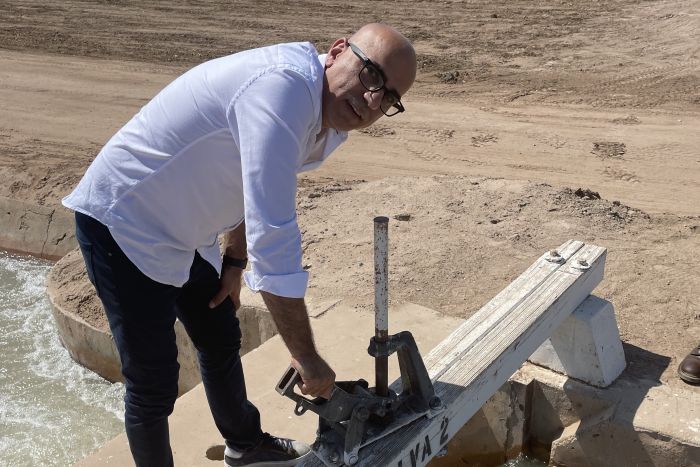
After nearly 30 years of developing irrigation technology at Netafim, Abed Masarwa believes innovation requires a willingness to keep learning, challenge assumptions and reinvent yourself.
The U.S. Department of Agriculture (USDA) announced enrollment is open for the 2026-2027 Agriculture Risk and Price Loss Coverage program designed to protect producers from declines in crop revenue.
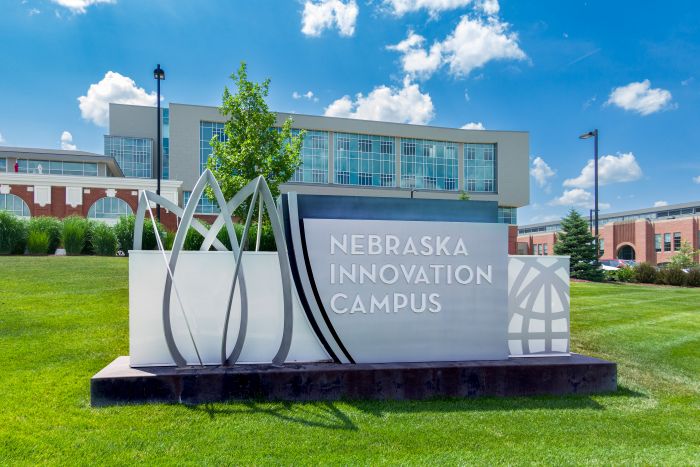
The University of Nebraska-Lincoln’s Innovation Campus is receiving a $37 million federal investment to advance a planned agricultural research facility.
Oklahoma State University’s Irrigation Research Laboratory in the department of biosystems and agricultural engineering is recruiting a PhD student to lead the field and modeling work on a new three-year, externally funded research project.
Researchers at the University of Idaho have received funds through a rapid response grant from the U.S. Department of Agriculture’s (USDA) National Institute of Food and Agriculture to develop free tools for agricultural irrigators.
When Roric Paulman, producer and owner of Paulman Farms, located just south of Sutherland, Nebraska, joined the NASA Acres Farm Innovation Ambassador Team, the role included a tour of the Goddard Space Flight Center.