IA CEO Natasha Rankin marks Smart Irrigation Month by highlighting how precision irrigation and data-driven decisions are strengthening both productivity and stewardship.
IA's Andrew Morris outlines three advocacy priorities shaping irrigation's future: the 2026 Farm Bill, USMCA trade stability and a new NRCS technical-services partnership.
The "use it or lose it" water rights principle discourages conservation among Western farmers. Economist Renata Rimšaitė examines reform efforts and the trust barriers that remain.
As fertilizer prices swing unpredictably, Mazzei VP Jim Lauria argues irrigation systems must be evaluated not just on water uniformity, but on how evenly they deliver fertilizers and nutrients through fertigation.
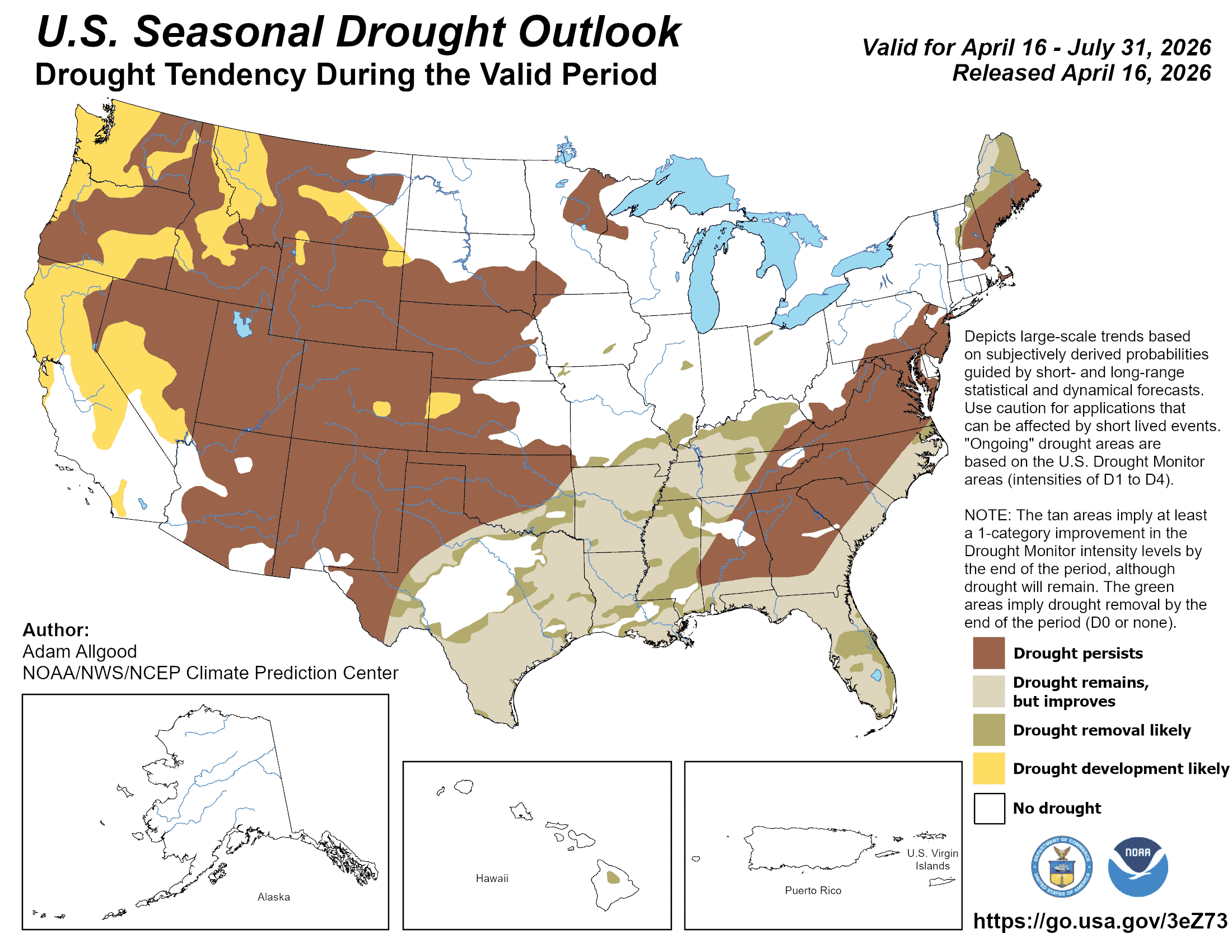
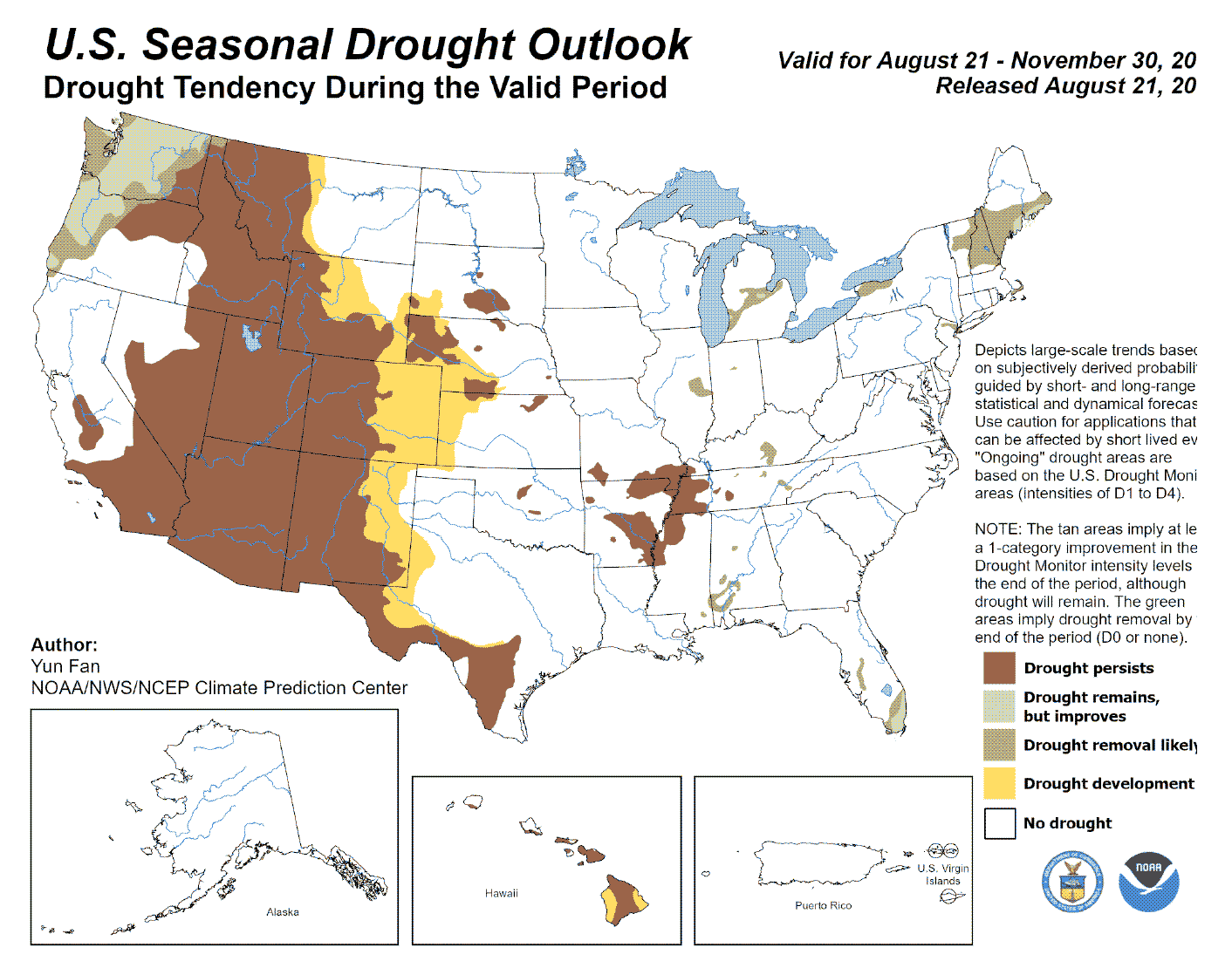
USDA meteorologist Brad Rippey surveys a bleak water-supply picture heading into summer, with early Western snowmelt, drought topping 60% nationally and a possible El Niño return later this year.
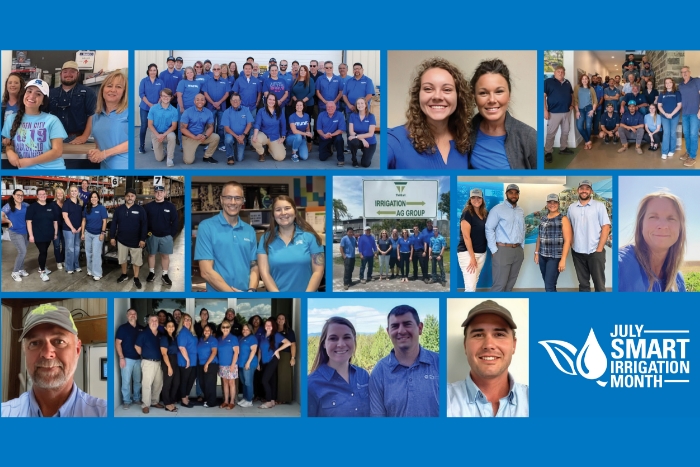
Smart Irrigation Month returns this July with downloadable resources, Wear Blue Wednesday and a series of Q&As spotlighting industry leaders championing water efficiency.
From California row crops to Washington orchards and Tennessee nurseries, smart irrigation automation is helping growers manage water more precisely while freeing up scarce labor for higher-value work.
With drought coverage at a 3.5-year high, experts explain why uniform system performance, smart scheduling and accessible technology are essential to protecting yield through dry conditions.
As extreme weather intensifies, experts walk through six steps growers can take to protect critical irrigation infrastructure, from risk assessment to post-disaster documentation.
Researchers tested ChatGPT-generated irrigation decisions in Nebraska's TAPS farm management competition, finding AI-assisted plots performed competitively with top human-managed systems.
NRCS Chief Aubrey J.D. Bettencourt discusses agency modernization, why precision irrigation is a top priority, and how the irrigation industry can partner with NRCS through the Technical Service Provider program.
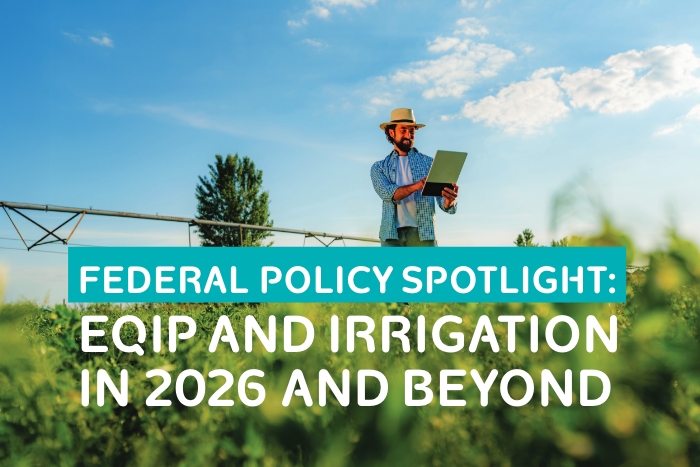
IA policy director Andrew Morris breaks down the EQIP landscape for 2026: new funding levels under the One Big Beautiful Bill Act and four key factors that will shape irrigators' success.
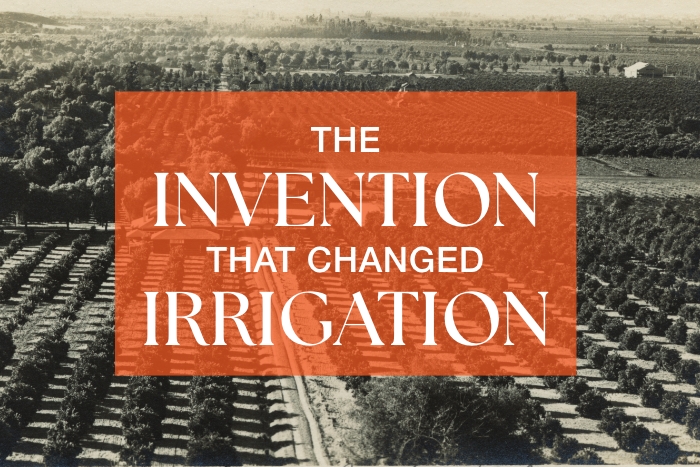
The impact sprinkler, invented by citrus grower Orton Englehart in 1930s Glendora, California, transformed agricultural water delivery and still shapes modern irrigation nearly a century later.
IA policy director Andrew Morris identifies four policy developments giving irrigation professionals more planning certainty: USDA funding, farm relief, EQIP baseline increases and tax provisions.
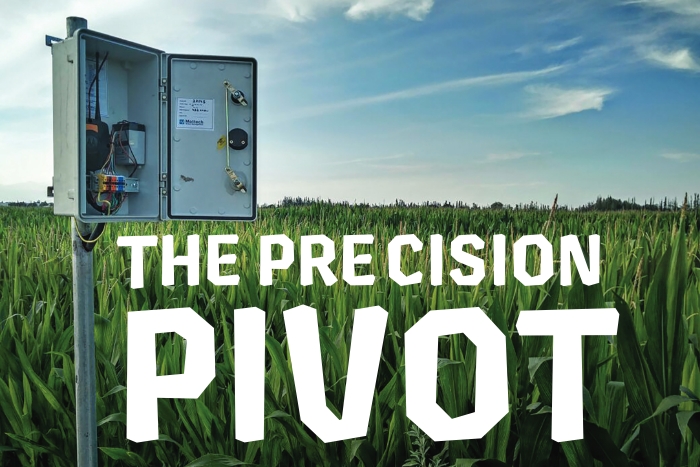
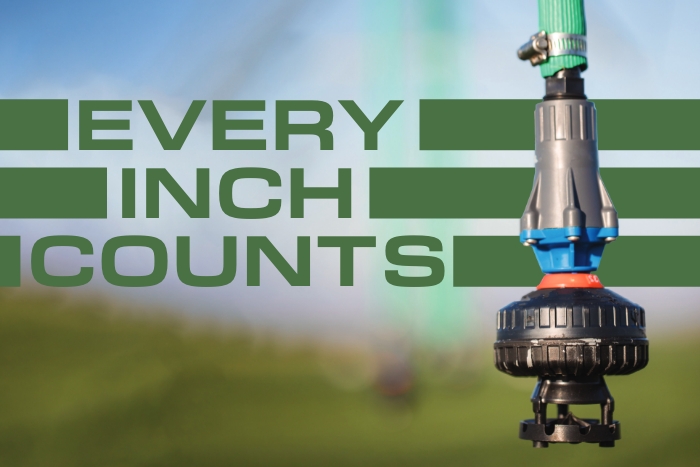
Flow meters, pressure sensors and telemetry are giving center pivot growers real-time visibility into water use — but the experts say regular maintenance and uniformity basics matter just as much.
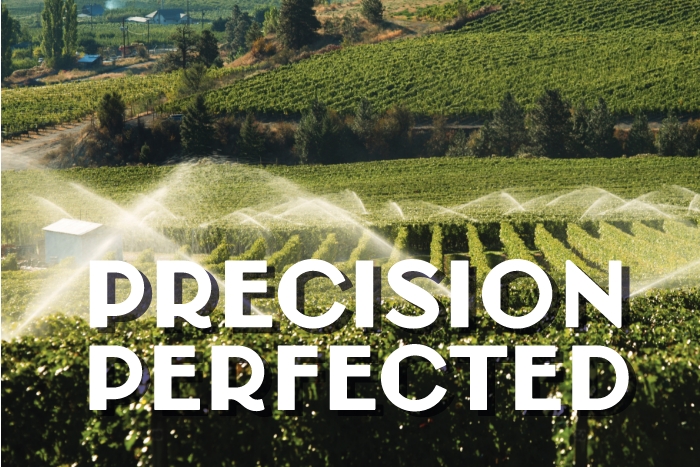
Modern automated block irrigation is transforming vineyards and orchards with smart valves, real-time sensing and AI guidance — helping growers optimize water, labor and yield quality.
Economist Renata Rimšaitė examines how crop diversification can reduce irrigation risk and stabilize farm income, while noting the real barriers growers face in making the switch.
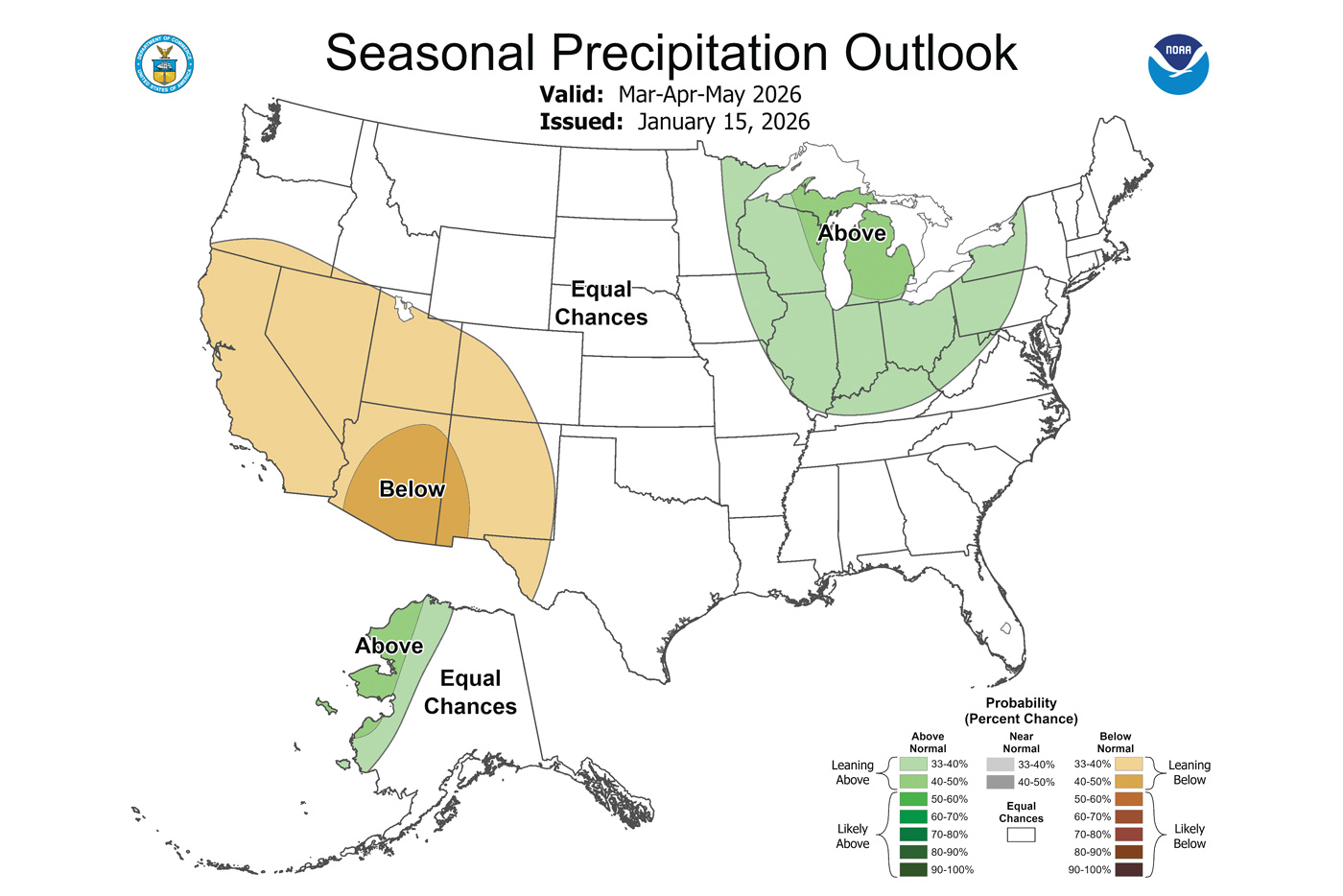
USDA meteorologist Brad Rippey surveys a patchwork U.S. water picture heading into spring, with California reservoirs brimming, Colorado River storage low and southern drought expanding.
Mazzei VP Jim Lauria argues that modern irrigation systems must deliver not just water but nutrients, chemicals and oxygen with the same uniformity — broadening how the industry defines distribution uniformity.
Deficit irrigation can improve crop quality and conserve water, but requires precise timing, monitoring, and crop-specific knowledge to avoid yield loss.
OpenET makes satellite-based evapotranspiration data accessible to growers, enabling precise irrigation scheduling, water savings, and improved crop yields.
On-farm reservoirs balance water delivery, improve system efficiency, and capture tailwater—but require strategic design, maintenance, and cost-benefit analysis.
Managing irrigation water quality starts with testing and understanding salt content, then tailoring strategies to water source, irrigation method, and crop needs.
With government funding restored through September, the irrigation industry looks ahead to potential farm relief, conservation funding, and advocacy priorities for 2026.
Practical strategies for growers and irrigation professionals facing water scarcity, regulatory pressures, and rising costs—delivered through innovation and collaboration.
Global irrigation faces transformation from water scarcity, tariffs, and AI innovation as the industry adapts to climate change and food security demands.
Despite La Niña's end bringing wetter conditions to much of the U.S., western regions continue facing drought challenges with uneven rainfall distribution and reservoir storage concerns.
Precision and accuracy are distinct concepts in agriculture—precision ensures consistency while accuracy ensures correctness, and both are essential for optimizing irrigation and resource management.
Irrigation improves agricultural productivity but requires intentional focus on nutrition through crop diversity, water quality management, and inclusive governance to support food security and health outcomes.
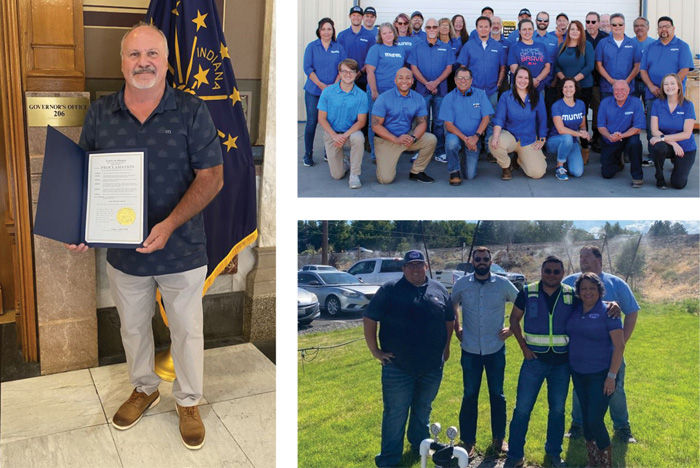
The irrigation industry united during Smart Irrigation Month with strong engagement across social media, events, and Wear Blue Wednesday, earning official proclamations from nine cities and states.
Pro-growth tax policies and efficient irrigation technology work together to support both agricultural productivity and food affordability, creating a water-smart system that benefits farms and families alike.
How allocations, metering and other regulatory water policies are reshaping farm economics, from day-to-day decision-making to long-term sustainability.
Global irrigation challenges demand local solutions through verified performance, smart technology, disciplined maintenance, and skilled professionals who turn field-tested insights into practical results.
Master Irrigator programs have trained producers across seven states, impacting over 500,000 acres through peer-to-peer learning and hands-on technology training.
Precision irrigation technologies maintain optimal soil moisture levels while preventing degradation, creating a foundation for sustainable agriculture.
Agricultural irrigation certification validates professional expertise in water management, providing specialized knowledge for crop-specific irrigation needs.
Smart irrigation technologies enable farmers to reduce water usage by 20% while maintaining yields through AI, remote monitoring, and precision control systems.
Smart irrigation transforms agriculture through data-driven water management, delivering cost savings and operational resilience while protecting resources.
Federal funding uncertainty, trade policy shifts, and conservation program freezes create challenges for farmers making water management decisions amid a complex 2025 policy landscape.
Poor distribution uniformity in irrigation systems leads to environmental challenges including soil degradation, water pollution, and greenhouse gas emissions, requiring proactive strategies to improve efficiency.
The Irrigation Association's E3 program addresses industry workforce shortages by providing students and faculty with hands-on experience, education, and networking opportunities at the annual Irrigation Show.
At the California Irrigation Institute conference, Irrigation Association CEO Natasha Rankin highlights the importance of public education, regional policy approaches, and cross-industry collaboration to advance sustainable water management.
Despite a La Niña-esque weather pattern, U.S. drought coverage fell to 38% by late 2024, with improvements in the Northwest and Plains, though persistent dryness threatens water supplies in key Southwestern watersheds.
Poor distribution uniformity in almond irrigation systems leads to significant financial waste, with dollar-based analysis revealing how improving DU from 0.77 to 0.94 can substantially reduce costs.
Rising energy costs in irrigation present challenges for farmers as water scarcity creates a costly cycle, but innovative programs like LEMAs demonstrate sustainable solutions that maintain profitability.
Despite changes in administration and Congress, the irrigation industry faces persistent challenges requiring continued advocacy to ensure sustainable water policy and economic stability.
Smart irrigation combines technology with informed decision-making to ensure water efficiency and sustainability through innovative strategies, collaborative solutions, and distribution uniformity principles.
Kansas farmers tackle water scarcity through community collaboration, innovative policies, and technology adoption, demonstrating that efficient irrigation practices can maintain profitability while conserving crucial water resources.