The U.S. Department of Agriculture (USDA) announced enrollment is open for the 2026-2027 Agriculture Risk and Price Loss Coverage program designed to protect producers from declines in crop revenue.
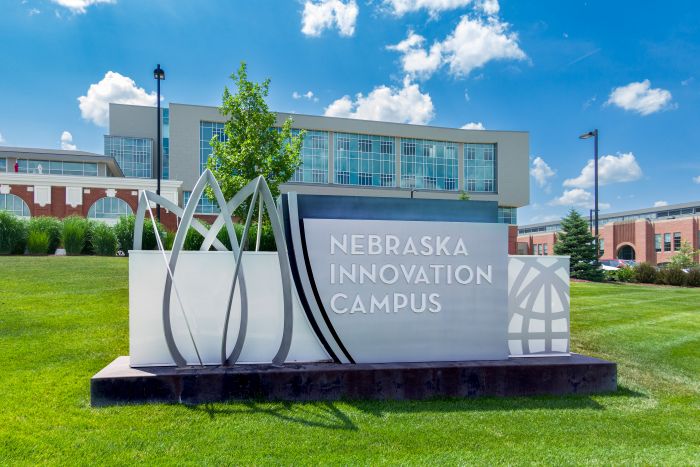
The University of Nebraska-Lincoln’s Innovation Campus is receiving a $37 million federal investment to advance a planned agricultural research facility.
Oklahoma State University’s Irrigation Research Laboratory in the department of biosystems and agricultural engineering is recruiting a PhD student to lead the field and modeling work on a new three-year, externally funded research project.
Researchers at the University of Idaho have received funds through a rapid response grant from the U.S. Department of Agriculture’s (USDA) National Institute of Food and Agriculture to develop free tools for agricultural irrigators.
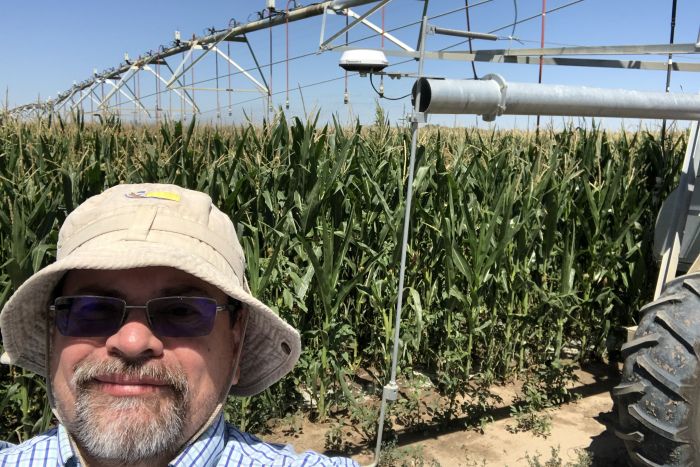
When Roric Paulman, producer and owner of Paulman Farms, located just south of Sutherland, Nebraska, joined the NASA Acres Farm Innovation Ambassador Team, the role included a tour of the Goddard Space Flight Center.
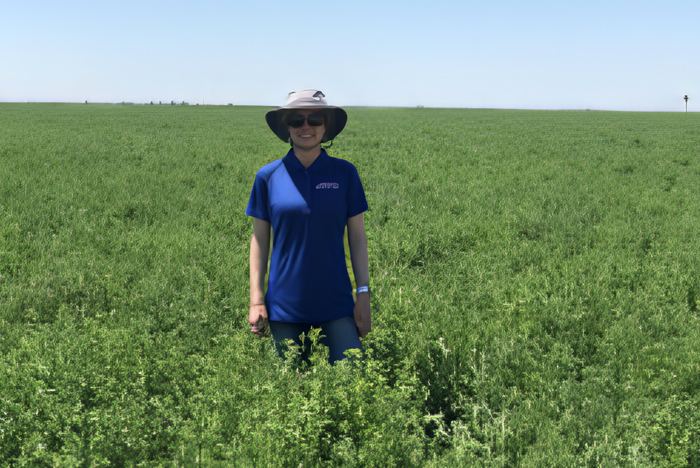
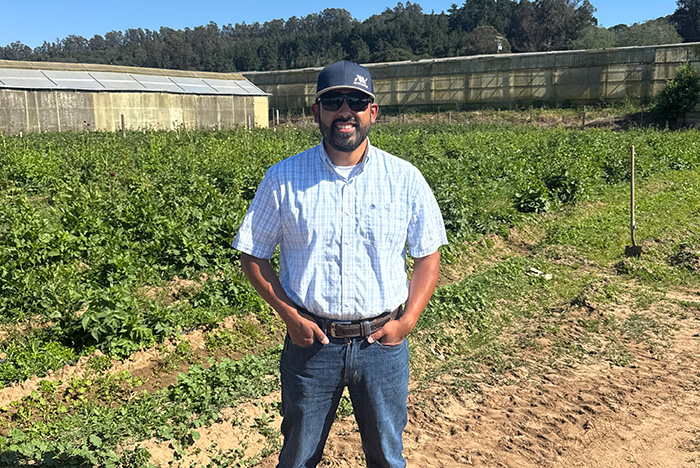
Each year, the Irrigation Association’s Anthony W. “Tony” LaFetra Scholarship program recognizes a group of exceptional students whose passion, dedication and potential reflect a bright future for the irrigation industry.
Amazon is investing in three irrigation efficiency projects in eastern Oregon that are expected to save more than 500 million gallons of water annually when completed.
Each year, the Irrigation Association’s Anthony W. “Tony” LaFetra Scholarship program recognizes a group of exceptional students whose passion, dedication and potential reflect a bright future for the irrigation industry.
In just three short years, the Precision Irrigation Access Program has leveraged corporate cost-share funding to help 27 family farms across seven states upgrade more than 3,200 acres to modernized irrigation systems.
The USDA has given farmers more time to apply for Stages 1 and 2 of the Supplemental Disaster Relief Program (SDRP) for eligible crop losses from natural disasters in 2023 and 2024.
Each year, the Irrigation Association’s Anthony W. “Tony” LaFetra Scholarship program recognizes a group of exceptional students whose passion, dedication and potential reflect a bright future for the irrigation industry.
The Irrigation Association announced its 2026 award recipients, recognizing individuals and projects advancing irrigation technology, education and water efficiency.
New insights from Komet Irrigation’s Agritechnica survey reveal a shift in how agricultural irrigators and related professionals think about irrigation investments today.
The University of Nebraska–Lincoln's Irrigation Water Management Lab is helping western Nebraska producers evaluate irrigation technologies under real-world field conditions before investing in them.
As drought, shifting rainfall patterns and tightening water supplies reshape U.S. agricultural water use, researchers, growers and policymakers need current, region-specific information to guide long-term decisions.
The U.S. Department of Agriculture (USDA) is making $65 million available through its Conservation Innovation Grants (CIG) program to accelerate the development and adoption of new conservation technologies and practices on private agricultural lands.
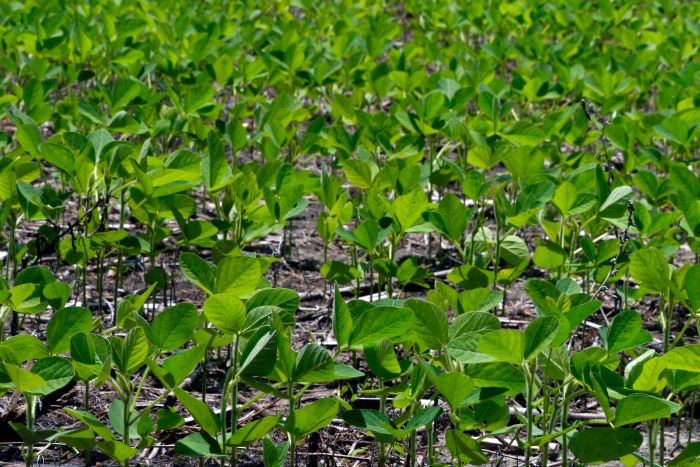
New research from the University of Maryland shows irrigation needs for soybean crops on the Eastern Shore will quadruple in the coming decades during the hottest summer months.
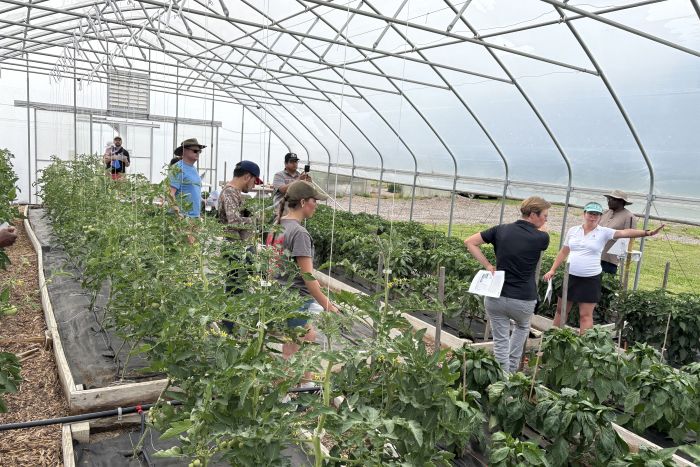
Small-scale and urban farms across Ohio and the Great Lakes region are increasingly using high tunnels to extend the growing season and improve crop production.
Each year, the Irrigation Association’s Anthony W. “Tony” LaFetra Scholarship program recognizes a group of exceptional students whose passion, dedication and potential reflect a bright future for the irrigation industry.
The U.S. Department of Agriculture’s National Agricultural Statistics Service (NASS) announced that it will conduct the 2026 Conservation Effects Assessment Project (CEAP) survey to better understand how conservation practices are being used on farms and their impact on soil, water and natural resources.
A new study from South Dakota State University found that the expansion of the U.S. ethanol industry significantly increased farmland values across the Midwest.
Producers across multiple regions of the U.S. are heading into a growing season defined by drought conditions, forcing many farmers and ranchers to rethink forage strategies, irrigation plans and long-term operational resilience.
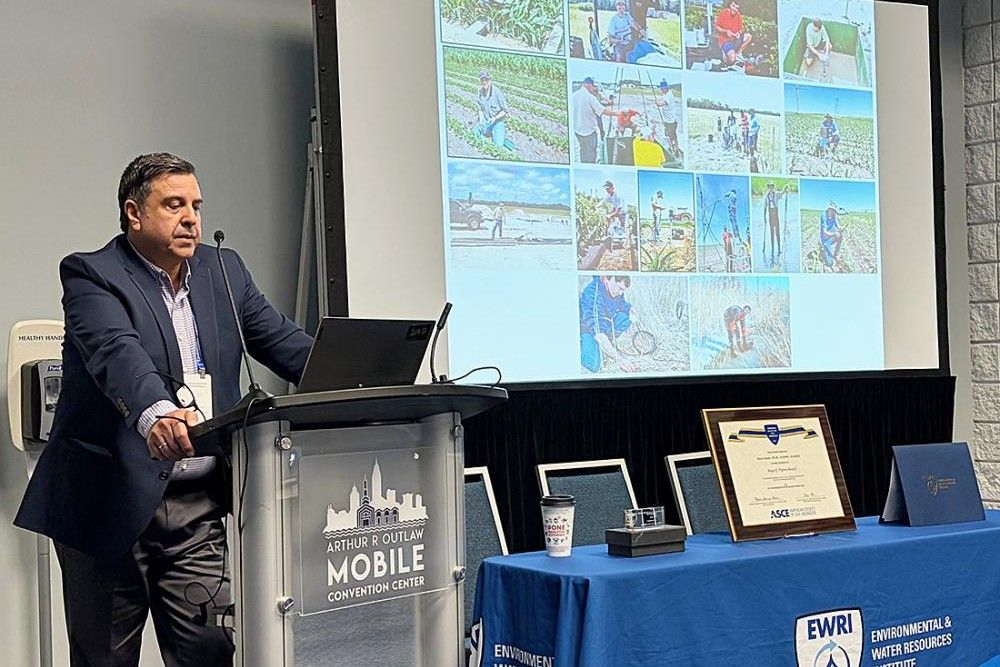
Suat Irmak, professor and head of Penn State’s Department of Agricultural and Biological Engineering, received the 2026 Royce J. Tipton Award from the American Society of Civil Engineers during the World Environmental and Water Resources Congress in Mobile, Alabama.
At Kansas State University (K-State), researchers are testing different technologies to help producers make irrigation decisions as water availability becomes less predictable.
New research from the University of Nebraska-Lincoln is giving producers a way to reduce water usage while maintaining, or even improving, profitability.
The Daugherty Water for Food Global Institute (DWFI) announced that its researchers recently published results from “Irrigated agriculture in the United States: Current status and future frontiers” in Agricultural Water Management.
Peak irrigation season is underway and widespread drought conditions across multiple regions of the U.S. are prompting new restrictions on outdoor water use while also unlocking federal relief for agricultural producers.
Irrigation is becoming a limiting factor, not just a management decision, for growers across parts of the U.S., and early-season shortages are forcing difficult tradeoffs.
Farmer sentiment showed signs of improvement in March, even as concerns about rising input costs continue to weigh on outlooks for the 2026 growing season.
The U.S. Department of Agriculture released its 2024 Tenure, Ownership and Transition of Agricultural Land Survey, part of the Census of Agriculture, offering a snapshot of who owns and controls U.S. farmland.
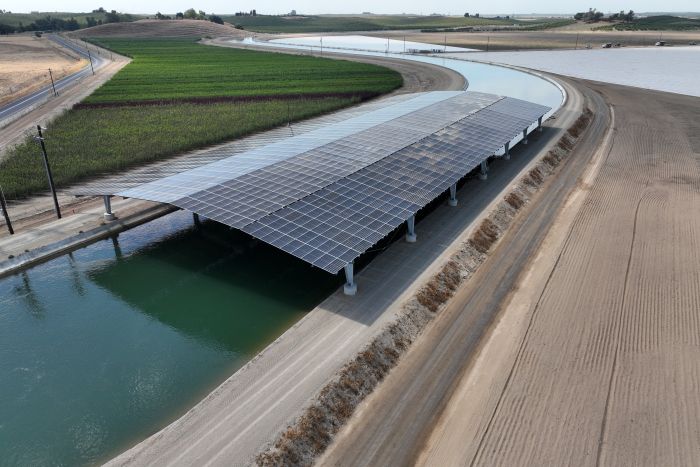
The U.S. Department of the Interior has announced an $889 million investment to strengthen water infrastructure across the western United States, targeting projects that expand storage, improve conveyance and increase drought resilience.
During the annual Irrigation Association Advocacy Summit, March 10-12, 2026, the IA signed a Memorandum of Understanding with the USDA’s Natural Resources Conservation Service, expanding opportunities for qualified irrigation professionals and strengthening delivery capacity for agricultural conservation projects.
UC Davis announced an inaugural Advanced School on Microirrigation for Crop Production to run from March 30 to April 3, 2026, bringing practical irrigation training to California for the first time.
Michigan State University (MSU) and Purdue Extension experts announced an upcoming webinar focusing on shifting water policies in Indiana and Michigan.
The California Department of Food and Agriculture (CDFA) awarded $1.69 million to support research, outreach and education to improve irrigation and nutrient management practices through its Fertilizer Research and Education Program.
Drainage water recycling for irrigation is not a new practice in drought-prone areas but changing climate trends are expanding its use into regions not traditionally affected by water scarcity issues.
The U.S. Departments of Agriculture and State announced a strengthened commitment under the 1944 Water Treaty that will improve cross-border water management and provide greater certainty for growers who depend on reliable water deliveries from the Rio Grande.
Researchers funded by the USDA’s National Institute of Food and Agriculture (NIFA) are developing a new sensing system that helps growers more easily determine when plants need water or nutrients, allowing for strategic irrigation and nutrient application.
The U.S. Department of Agriculture (USDA) Natural Resources Conservation Service (NRCS) announced financial assistance available to growers in Greeley and Wichita counties, Kansas, to improve irrigation efficiency.
With a career shaped by service, education and innovation, Rain Bird Vice President Michael Roberts, PhD, brings a future-focused perspective to his role as president of the Irrigation Association.
USDA’s new Regenerative Agriculture Initiative, backed by $1 billion through EQIP, CSP, and CTA marks the federal government’s largest soil-health investment in years.
Learn more about some of the recipients of the Irrigation Association’s 2025 Anthony W. “Tony” LaFetra Scholarship Program sponsored by Rain Bird, given to college students studying and pursuing careers in the irrigation field.
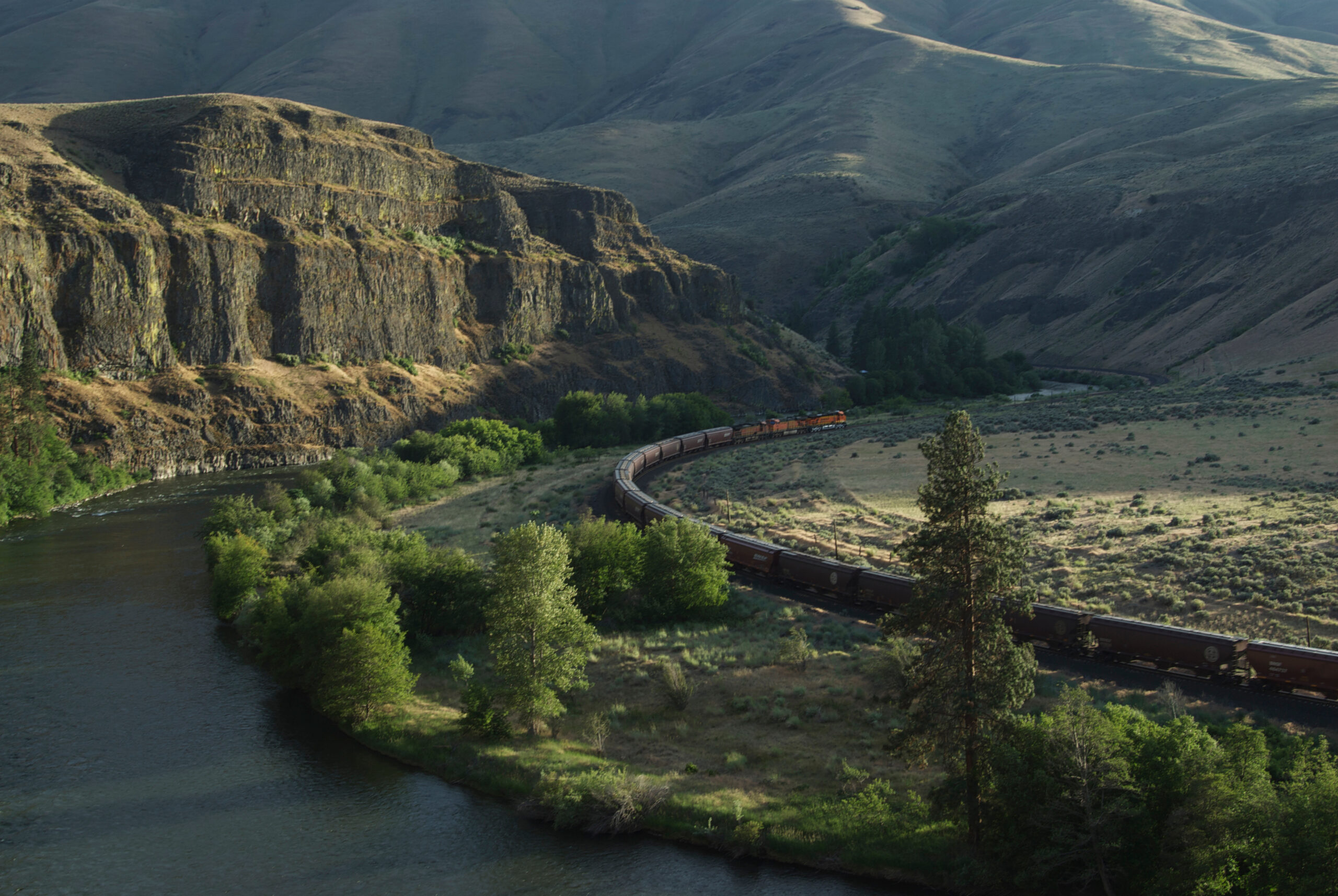
Facing historically low reservoir storage and streamflows after a third consecutive year of drought, the Washington Department of Ecology will halt all surface water use in the Yakima Basin from Oct. 6 through the end of October.
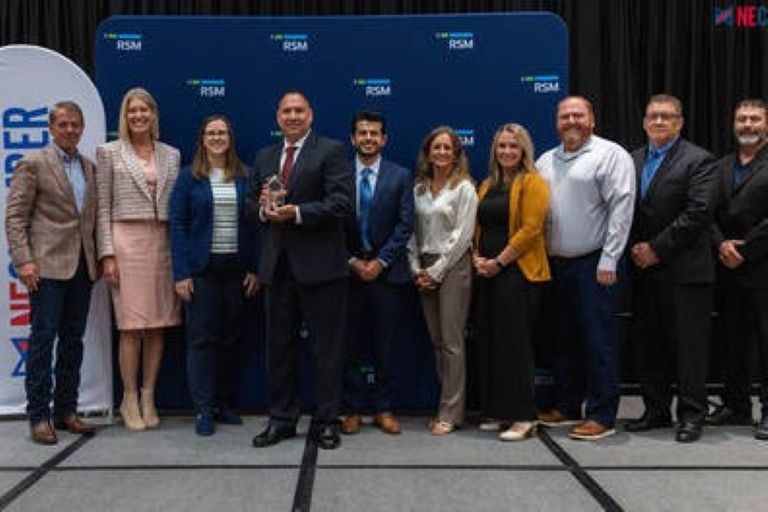
Lindsay Corporation has been honored as Nebraska Manufacturer of the Year by the NE Chamber, recognizing its innovative approach to products, processes and technologies that strengthen Nebraska’s manufacturing sector.
The five-year initiative builds on $3.5 million awarded in 2021 and will scale precision irrigation technologies, improve nitrogen management, and protect groundwater quality.